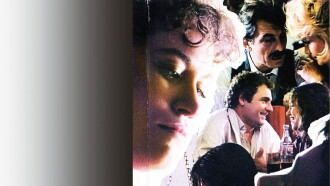
Part opera, part cine-poem, part dance, The Day Time Noon is a mesmerizing, beautiful film in the stylized vision of Buto, a new dance aesthetic of modern Japan.
Something very common in our days, an adolescent who does not find communication with her mother or stepfather falls into a depression that drags her down paths of difficult return.
Maria since childhood was directed by her father to become a nun. As a result of her father's cultivation of a rigid appreciation, Maria always feels awkward, including the delinquency that is common for a girl.
This film deals with the contrasts of the Wilhelminian era in Berlin: the splendor of the monarchy, the economic and intellectual vitality of the up-and-coming imperial capital on the one hand, and the misery of the proletarians in the tenements on the other.
In this film, Humbert is on the trail of his own history. Wolfsgrub is the name of the house where Humbert's mother lives, and though she is getting on in years, she becomes young again as she answers her son's questions.
Writes Viola: "Sodium Vapor was recorded over a period of several weeks in the hours between one and five in the morning on the streets of an industrial area in lower Manhattan.
On March 16, 1978, far-left terrorists of the Red Brigades kidnap Aldo Moro, leader of the Christian Democracy, the ruling party in Italy since the end of WWII.
Comments
Have you watched The Day Time Noon yet? What did you think about it?