The film is based on three events in February 1987: the release of the film "Repentance", an exhibition-competition in the Manege of projects for the Victory Monument on Poklonnaya Gora and the 150th anniversary of the death of Alexander Pushkin.
A young and impatient stockbroker is willing to do anything to get to the top, including trading on illegal inside information taken through a ruthless and greedy corporate raider, who takes the youth under his wing.
In a violent, near-apocalyptic Detroit, evil corporation Omni Consumer Products wins a contract from the city government to privatize the police force.
Compared to the film "Lupus" Catch me, I'll tell you" Lupus' entourage is more depicted. But just like the previous film, this film is still a combination of humor that stems from the mischief of Lupus et al.
This is the story of Lenell Geter, an engineer who was accused and convicted of armed robbery. Because he had such faith in the system, he thought that he would eventually be released.
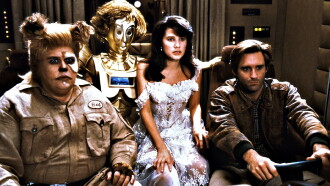
When the nefarious Dark Helmet hatches a plan to snatch Princess Vespa and steal her planet's air, space-bum-for-hire Lone Starr and his clueless sidekick fly to the rescue.