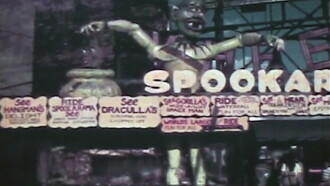
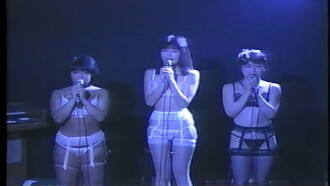
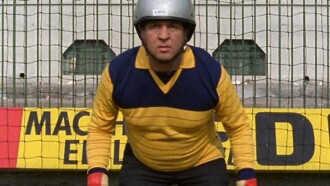
The Xerox photocopies of the source material were reproduced through approximately five generations. Through two vectors movement through space and movement across generations of copies the work attempts to expose what exists between the image and ourselves. The original motivation behind the piece was the desire to create a perspective-shifting photographic animation using Xerox copies. However, during the production process, the theme gradually shifted toward depicting “something invisible between the subject and the object.”
In a violent, near-apocalyptic Detroit, evil corporation Omni Consumer Products wins a contract from the city government to privatize the police force.
A young woman marries a rich man and begins a new life in a little town in the Spain of the 20s. Feeling trapped and bored, she begins a relationship with her husband's stepbrother.
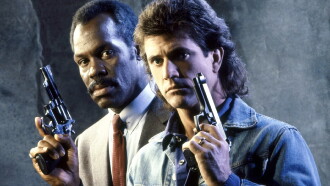
A veteran cop and an unstable detective become partners who must put their differences aside in order to bring down a heroin-smuggling ring run by ex-Special Forces.
The 2004 Opus Arte DVD release of Wolfgang Amadeus Mozart's Don Giovanni (recorded at Teatro alla Scala in 1987) is highly regarded by English-language critics as a definitive "traditional" production, notable for its legendary collaboration between conductor Riccardo Muti and director Giorgio Strehler.