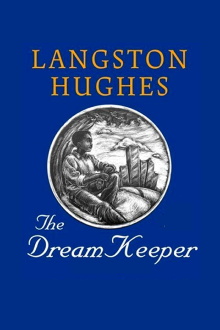
One in a series of 13 documentaries on renowned American poets produced by the New York Center for Visual History. Described by director St. Clair Bourne as “a narrative performance documentary,” this category-defiant film on the life of poet and writer Hughes and the times in which he lived and worked moves from America to Senegal to Paris, from the 1920s Harlem Renaissance to the Black Pride awakening of the 1960s.
Radha, a young man, visits a village to attend the wedding of his friend's sister. However, when the groom runs away, he is forced to marry the devastated bride.
Compared to the film "Lupus" Catch me, I'll tell you" Lupus' entourage is more depicted. But just like the previous film, this film is still a combination of humor that stems from the mischief of Lupus et al.
Andy’s friends confront both their own mortality and the deadly new disease stalking their community, while his conservative family grapples with never having come to terms with his sexuality.
A young woman marries a rich man and begins a new life in a little town in the Spain of the 20s. Feeling trapped and bored, she begins a relationship with her husband's stepbrother.
The 2004 Opus Arte DVD release of Wolfgang Amadeus Mozart's Don Giovanni (recorded at Teatro alla Scala in 1987) is highly regarded by English-language critics as a definitive "traditional" production, notable for its legendary collaboration between conductor Riccardo Muti and director Giorgio Strehler.
Comments
Have you watched Langston Hughes: The Dream Keeper yet? What did you think about it?