Depicts modern humanity as a product of the industrial revolution, which formed and cultivated a society based on mass consumption. This consumerism is illustrated through portrayals of our feeding, mating, and grooming habits, as well as ritual gatherings and retirement that manufacture a dependency on the capitalist system. Burman’s highly fantasized stop-motion claymation critiques the absurdity of integrating capitalism and humanity, which has altered the human experience into a measurement of one’s ability to mass produce and mass consume.
An animated short film based on the 1877 short story written by Fyodor Dostoyevsky. It chronicles the experiences of a man who decides that there is nothing to live for in the world, and is therefore determined to commit suicide.
This extremely brief film was Osamu Tezuka's answer to a challenge presented to the leaders of the international animation community to create animated self-portraits.
When a ship sinks during a storm, a slave from the industrial island of Plutonia is washed up on the beaches of paradise island Melonia, where the "all-powerful" wizard Prospero and his strange friends reside.
Popular movie trailers from 1987
These some of the most viewed trailers for movies released in 1987:
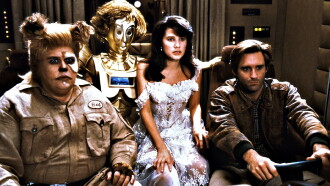
When the nefarious Dark Helmet hatches a plan to snatch Princess Vespa and steal her planet's air, space-bum-for-hire Lone Starr and his clueless sidekick fly to the rescue.
A young woman marries a rich man and begins a new life in a little town in the Spain of the 20s. Feeling trapped and bored, she begins a relationship with her husband's stepbrother.
Expecting the usual tedium that accompanies a summer in the Catskills with her family, 17-year-old Frances 'Baby' Houseman is surprised to find herself stepping into the shoes of a professional hoofer—and unexpectedly falling in love.
This is the story of Lenell Geter, an engineer who was accused and convicted of armed robbery. Because he had such faith in the system, he thought that he would eventually be released.
A made-for-cable-TV docudrama about the trial of the men accused of conspiring to cause protesters to riot at the 1968 Democratic National Convention in Chicago.
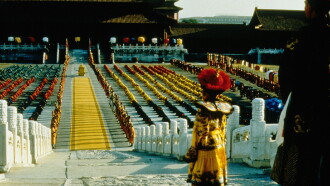
A dramatic history of Pu Yi, the last of the Emperors of China, from his lofty birth and brief reign in the Forbidden City, the object of worship by half a billion people; through his abdication, his decline and dissolute lifestyle; his exploitation by the invading Japanese, and finally to his obscure existence as just another peasant worker in the People's Republic.