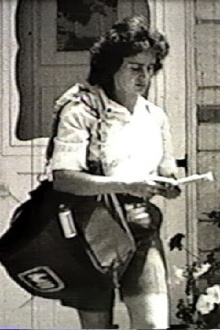
JoAnn Elam's unfinished project, EVERYDAY PEOPLE (filmed from 1979 to 1990), is based on her experiences as a letter carrier for the US Postal Service in Chicago (primarily the Logan Square neighborhood). Camera in hand, Elam follows co-workers as they deliver the mail throughout various Chicago neighborhoods. Elam's construction of this film-in-progress creates a lovely cadence and rhythm that transforms the repetitive motions of the postal worker -- pushing the mail cart, carrying the bag, avoiding the dogs, opening the gates, and climbing the steps to the front door -- to something poetic yet startlingly familiar. Their stories (heard mostly in voice-over) are those of everyday people who at the time struggled with issues of race and gender in relationship to their work.
A village has to be destroyed for coal mining. Henning, a 15 years old boy, who wants to visit his grandfather one more time, realizes that nothing will be the way it used to be.
Otto is turning 65 and a big celebration with relatives and friends is coming up. What does life bring? A comfortable retirement, looking after his beloved grandchildren, lamenting the aches and pains of old age.
Joseph Mnwana arrives at Heathrow on a flight from Johannesburg and asks for political asylum. But what is he fleeing from? The authorities are suspicious, and Joseph has an uncertain future in store.
Three Jolly Fellows tells of the adventures of three small men in a world that borders on the fantastic: the composed and close-to-nature Mossbeard, the irritable city dweller Halfshoe, and the sensitive poet Muff.
The true story of Henry Hill, a half-Irish, half-Sicilian Brooklyn kid who is adopted by neighbourhood gangsters at an early age and climbs the ranks of a Mafia family under the guidance of Jimmy Conway.
The boisterous good humor of Jurmala, the nickel-mine owner, is, if anything, only barely dented by the raging battles in Finland before, during and after World War Two.
As he gradually turns mad, the dancer Nijinsky evokes the important episodes of his life. In costumes and sets of lush beauty, the divine puppet performs in a final show where the secondary characters are named: Diaghilev, Isadora Duncan, Stravinsky, Auguste Rodin, Léon Bakst.
Young people living in Poland in the late 1960s had to face difficult times and make tough choices. Some of them were forced to leave their country for having Jewish origin.
Comments
Have you watched Everyday People yet? What did you think about it?