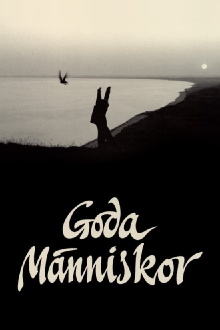
A father and his son move to small village in the south of Sweden. One day, the boy finds an injured bird. He skips the school and spend more time in the woods with the bird.
A heartfelt story about the borderlands of childhood, about a boy who is still a child, but who is touched by an inexplicable, barely discernible feeling of love.
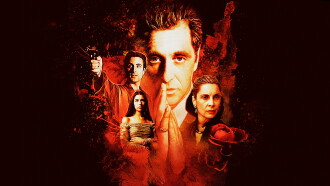
In the midst of trying to legitimize his business dealings in 1979 New York and Italy, aging mafia don, Michael Corleone seeks forgiveness for his sins while taking a young protege under his wing.
Ref'at is a judge who is ruling on an important case that witnesses a lot of security interference. Rafiq Al-Henawy has him killed and stages it as a suicide before the ruling.
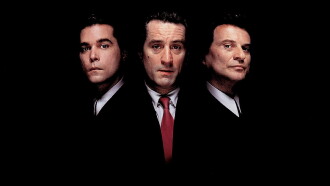
The true story of Henry Hill, a half-Irish, half-Sicilian Brooklyn kid who is adopted by neighbourhood gangsters at an early age and climbs the ranks of a Mafia family under the guidance of Jimmy Conway.
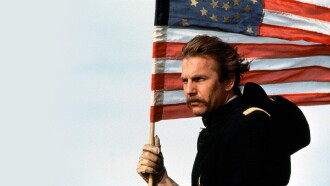
Wounded Civil War soldier John Dunbar tries to commit suicide—and becomes a hero instead. As a reward, he's assigned to his dream post, a remote junction on the Western frontier, and soon makes unlikely friends with the local Sioux tribe.
Yuddy, a Hong Kong playboy known for breaking girls' hearts, tries to find solace and truth after discovering the woman who raised him isn't his mother.
Comments
Have you watched Good People yet? What did you think about it?