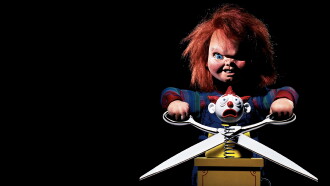
Chucky is reconstructed by a toy factory to dispel the negative publicity surrounding the doll, and tracks young Andy Barclay to a foster home where the chase begins again.
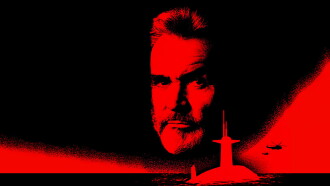
In 1973 Vietnam, gas bombs are dropped on villages, killing men, women, and children. Two downed American pilots, accused of the bombings, are captured and tortured.
Three part anthology with stories involving a Phantom of the Opera-style killer haunting a theater, four punks who pick the wrong house to rob and a man on the hunt for Bigfoot.
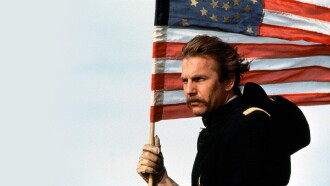
Wounded Civil War soldier John Dunbar tries to commit suicide—and becomes a hero instead. As a reward, he's assigned to his dream post, a remote junction on the Western frontier, and soon makes unlikely friends with the local Sioux tribe.
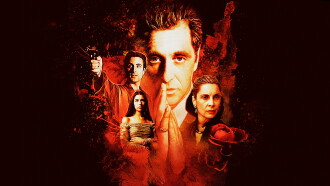
In the midst of trying to legitimize his business dealings in 1979 New York and Italy, aging mafia don, Michael Corleone seeks forgiveness for his sins while taking a young protege under his wing.
Dim-witted and stuttering Pidol is the brunt of his townsfolk's ridicule. Not even being reconciled to his dad Andres changes his luck, for under Andres' nose Pidol is tormented by his stepmother Husing and stepdaughter Sunshine.
Clarence Flamer hosts a late-night talk show on regional radio station North Star Sound. A phone call he takes one night leads to his discovering a mortgage scam being run by a group of estate agents.
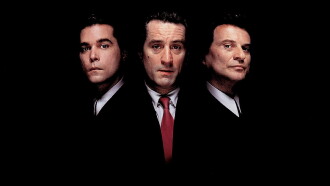
The true story of Henry Hill, a half-Irish, half-Sicilian Brooklyn kid who is adopted by neighbourhood gangsters at an early age and climbs the ranks of a Mafia family under the guidance of Jimmy Conway.