Following in the footsteps of Goethe, Stendhal and numerous anonymous travellers, the author desires to recreate the famous Roman itinerary. She trades the archaic travel diary for a video camera, and uses the contemporary means that it offers to the traveller. To each his own alibi; places, dates and all details possessing touristic interest are hidden, in the quest of impressions and lasting images, which are inevitably swept away by time.
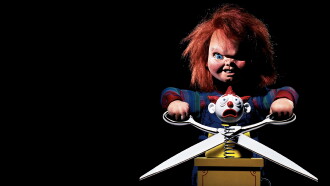
Chucky is reconstructed by a toy factory to dispel the negative publicity surrounding the doll, and tracks young Andy Barclay to a foster home where the chase begins again.
As he gradually turns mad, the dancer Nijinsky evokes the important episodes of his life. In costumes and sets of lush beauty, the divine puppet performs in a final show where the secondary characters are named: Diaghilev, Isadora Duncan, Stravinsky, Auguste Rodin, Léon Bakst.
A heartfelt story about the borderlands of childhood, about a boy who is still a child, but who is touched by an inexplicable, barely discernible feeling of love.
With his nephews and niece, everyone's favorite rich uncle, Scrooge McDuck, treks from his mansion home in Duckburg in search of the long-lost loot of the thief Collie Baba.
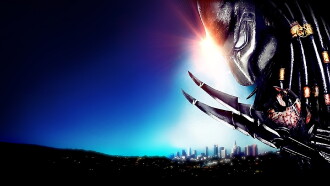
A police chief in the war-torn streets of Los Angeles discovers that an extraterrestrial creature is hunting down residents - and that he is the next target.
Dim-witted and stuttering Pidol is the brunt of his townsfolk's ridicule. Not even being reconciled to his dad Andres changes his luck, for under Andres' nose Pidol is tormented by his stepmother Husing and stepdaughter Sunshine.