Underground video was an important tool during the Marcos era and contributed to the Aquino revolution. In the rejuvenated atmosphere within traditional Philippine media institutions, President Aquino has become the protagonist in a soap opera and the brunt of ribald satiric humor. A skit on a weekly comedy show Six O'Clock News, where a genial Bush twists Aquino's arm for continued U.S. military bases. Next, an emotional melodrama uses double exposure and surreal juxtapositions to address the current military repression. The debates about U.S. bases in the Philippines are played out in TV genres marked by a unique display of national character.
Andreas, who is ten, has been brought up by his grandmother. When she dies, he removes a putto from the crucifix placed upon her, puts it in his mouth and does not speak again.
Lucia (Natassja Kinski) is a volatile, exciteable young woman. She forms a romance with Carlo (Stefano Dionisi), who is somewhat callow and is very skittish.
Dim-witted and stuttering Pidol is the brunt of his townsfolk's ridicule. Not even being reconciled to his dad Andres changes his luck, for under Andres' nose Pidol is tormented by his stepmother Husing and stepdaughter Sunshine.
A heartfelt story about the borderlands of childhood, about a boy who is still a child, but who is touched by an inexplicable, barely discernible feeling of love.
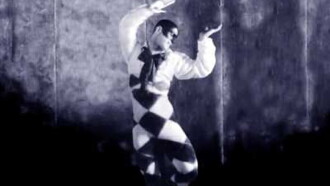
As he gradually turns mad, the dancer Nijinsky evokes the important episodes of his life. In costumes and sets of lush beauty, the divine puppet performs in a final show where the secondary characters are named: Diaghilev, Isadora Duncan, Stravinsky, Auguste Rodin, Léon Bakst.
Comments
Have you watched The Philippines: A Legacy of Violence yet? What did you think about it?