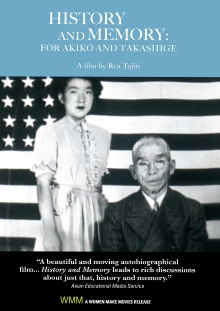
This film is a poetic composition of recorded history and non-recorded memory. Filmmaker Rea Tajiri’s family was among the 120,000 Japanese and Japanese Americans who were imprisoned in internment camps after the attack on Pearl Harbor. And like so many who were in the camps, Tajiri’s family wrapped their memories of that experience in a shroud of silence and forgetting. This film raises questions about collective history – questions that prompt Tajiri to daringly re-imagine and re-create what has been stolen and what has been lost.
More than sixty years after leaving high school, former classmates Alicia, Gema, Angelica, Ximena and Maria Teresa are still devoted to their regular catch-ups in which they exchange gossip and reminiscences over elaborately presented afternoon teas.
Based on the acclaimed memoir by renowned guitarist Andy Summers, Can’t Stand Losing You: Surviving The Police follows Summers’ journey from his early days in the psychedelic ‘60s music scene, when he played with The Animals, to chance encounters with drummer Stewart Copeland and bassist Sting, which led to the formation of a new wave trio, The Police.
The career of a classical ballet dancer is short and often riddled with injuries, and it takes a special kind of artist to submit to the discipline and strenuous regimen needed to dance with a world-class company.
In the early-morning hours of July 23, 2007, in Cheshire, Conn., ex-convicts Steven Hayes and Joshua Komisarjevsky broke into the family home of William Petit, his wife, Jennifer, and their daughters, Michaela, 11, and Hayley, 17.
Four young women joined the Resistance to fight Nazi oppression and brutality in occupied France. They were arrested and deported to Ravensbruck concentration camp, where they helped each other to survive.
The fourth film in Alanis Obomsawin's landmark series on the Oka crisis uses a single, shameful incident as a lens through which to examine the region's long history of prejudice and injustice against the Mohawk population.
Shot over the course of five years, Intimidad is an in-depth portrait of Cecy and Camilo Ramirez, a young couple struggling to make ends meet in Reynosa, Mexico.
Pierre is a womanizing photographer, with a slight mean streak. For whatever reason, Camille, an artist in her own right, finds him entrancing and easily succumbs to his devious efforts to get her into bed.
Dough-crazed mercenaries Sammy and Klaus are on a mission to escort the seriously ill prime minister of a South American country that has just been taken over by the rebels to his buddies over the border.
Somewhere in Los Angeles, the city of broken dreams, a stripper is murdered. Now, the private detective she had hired and her ex-footballer boyfriend are going to find her murderer.
Reiko, a female college student, was looking outside with her newly purchased telescope. She bought it impulsively, but since she had no intention of using it, she looked around the neighborhood.
Taking a break from their dreary lives, close friends Thelma and Louise embark on a short weekend trip that ends in unforeseen incriminating circumstances.
Featuring Arnold and Ahneva from Wendy Clarke's One on One video series, this video dialogue deeply connects the pair through discussion of Black brother and sisterhood.
Comments
Have you watched History and Memory: For Akiko and Takashige yet? What did you think about it?