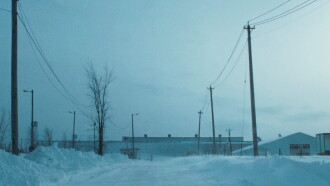
Quebec is a modern society where the suicide rate among 15-25 year olds is among the highest in the world. It is the second leading cause of death after car accidents. The result of three years of research in all environments, Le Spasme de vivre tells the life stories of different people, and all of these stories form a portrait of society.
A cinematic and introspective look at the residents of a Quebec town—once the site of the world's largest asbestos mine—as they grapple with their community's industrial past.
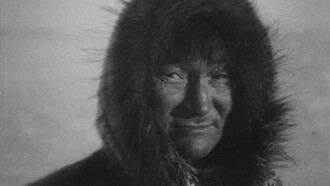
After crossing 11 countries irregularly to seek asylum in Canada, Peggy, Simon and their three children are waiting for the hearing that will determine whether they get refugee status or not.
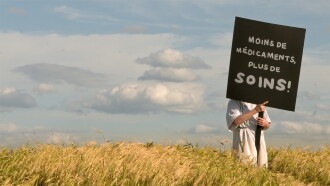
Through family archives, drawings, animations and performances that draw on her long experience with illness, Brigitte Lacasse takes an incisive, critical look at the Quebec health care system.
Pierre is a womanizing photographer, with a slight mean streak. For whatever reason, Camille, an artist in her own right, finds him entrancing and easily succumbs to his devious efforts to get her into bed.
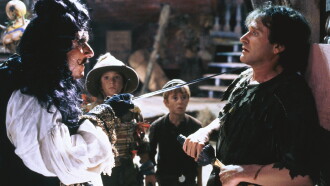
The boy who wasn't supposed to grow up—Peter Pan—does just that, becoming a soulless corporate lawyer whose workaholism could cost him his wife and kids.
Sixty year old Max is having something of a middle-age crisis. His marriage seems to go nowhere as the passion, tenderness and happiness vanished when their daughter moved out.
Featuring Arnold and Ahneva from Wendy Clarke's One on One video series, this video dialogue deeply connects the pair through discussion of Black brother and sisterhood.
For fans of history, this glimpse of Munich society in the 1920s will be a much-treasured event. The story revolves around an art-gallery manager who puts on a show featuring the scandalous works of a woman artist who committed suicide.