Latvia. The end of the 19th century. In a corner of a parish on the shore of a lake, two families live side by side. The Dievlodziņi and the Vilkači. With a long-standing hatred in their relations. True, the manifestations of hatred are felt only in the Dievlodziņi homes. How could it not! They are increasingly unlucky, diseases and livestock diseases strike, and the crops do not yield. In contrast, in the Vilkači, everything grows in a whirlwind, and diseases also continue to take a detour. This leads us to think that the Vilkači family achieves its prosperity by pestering and practicing witchcraft. Over time, they have also managed to turn the other people of the parish against them. However, the essence is completely different. The Vilkači people, being Christians, have not forgotten the ancient traditions and customs of the Latvian people, which are rooted in human life, not separating themselves from nature.
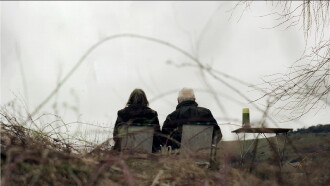
Years after their separation, Marianne accompanies Joe at his allotment. Together, they talk navigating through their lives, their love and the loss of their daughter.
A thrilling tale of crime and deception as Mr. Gonzales' criminal empire faces collapse, entwined with the mysterious Number Three's dangerous game of love and betrayal.
Documentary about the making of The Changer and The Changed, an album recorded by Cris Williamson in 1975 that became one of the icons of women's music.
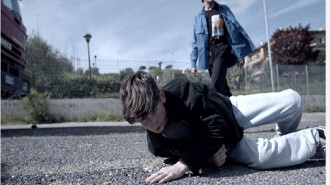
Claude, a militant anarchist, is caught stealing and is shot by a policeman while fleeing the scene. Dodo, a hairdresser, is hit by one of the stray bullets.
The female group "Die Hard Angels" of the Police Department's Investigation Division 1 begins a physical investigation to destroy a vicious organized crime.
Comments
Have you watched The Heiress of Werewolves yet? What did you think about it?