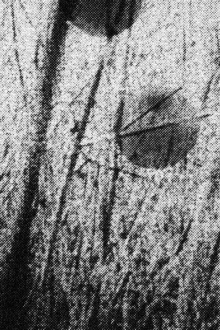
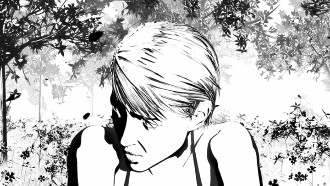
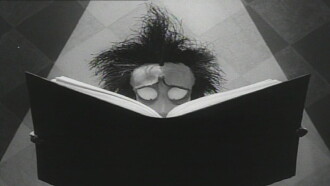
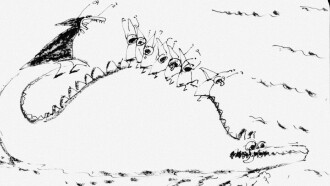
Kucia's most recent film, Across the Field (1992), is his longest and arguably his most complex film in terms of imagery. In it, he applies many of the various techniques he has developed for his films over the years, the result being a rich collage of drawing, photographic images, and live-action film footage whose individual frames he has manipulated. This complex technique exists, according to Kucia, only as a vehicle to evoke the mood and emotion he wishes the audience to experience. This Impressionist approach to filmmaking is no doubt what inspired Marcin Gizycki to dub Kucia the "Bresson of Polish animated film."
To find Ilona and unlock the secrets of her disappearance, Karas must plunge deep into the parallel worlds of corporate espionage, organized crime and genetic research - where the truth imprisons whoever finds it first and miracles can be bought but at a great price.
Koko is trying to rescue his sweetheart, who is trapped atop a rugged mountain. However, when Max Fleischer runs out of ink, how will he draw the ladder for Koko to climb?
Short film with original footage taken from the internet, reprocessed into vertical stripes with three frame blocks of positive black & white alternating with high-contrast negative.
Free composition movie is that defines the real substance of day to day life with sensation achieved by connecting scenes that are independent from one another.
A black-and-white film that takes an ironic look at alienation between the races and the sexes. It is a mix of cell animation, painting, live action and early Atari computer animation.
Linnea in Monet's Garden is a unique blend of imagination and education, teaching children about the art and life of one of the most important painters of the 20th century, while entertaining them with the mystery and beauty of art and nature.
Based on the character Rika-chan from Takara Tomy's long-running line of girls' toys, this is the third installment in the OVA series "Rika-chan" that aired in the 1990s.