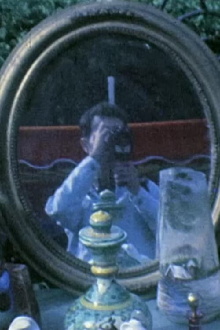
This film constitutes a passage between my two other films, Trompe-la-Mort and Quartier des bachelors or... I would say an experience of "cogito" with the camera/a narcissistic experience which is parasitized (contaminated?) by passers-by. The sirens, and then this void. What distinguishes the "cogito" of the filmmaker from the "cogito" of a madman? This question already discredits/tympanizes the possibility of a purely phenomenal “cogito”: I see myself, does this mean that I exist? The interfilmic references of the soundtrack generate meaning already in the direction of a dispersion of the ego.
Saxophonist Dave Koz has become one of the most successful and beloved instrumentalists of his time, and helped establish smooth jazz as a musical force to be reckoned with.
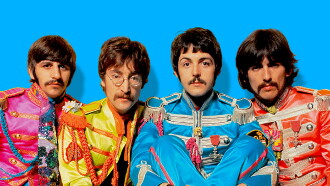
This was an official documentary shown on television featuring George Martin taking us through the album tracks and Paul, George and Ringo giving us their memories of the sessions.
A poor French teenage girl engages in an illicit affair with a wealthy Chinese heir in 1920s Saigon. For the first time in her young life she has control, and she wields it deftly over her besotted lover throughout a series of clandestine meetings and torrid encounters.
When shadowy U.S. intelligence agents blackmail a reformed computer hacker and his eccentric team of security experts into stealing a code-breaking 'black box' from a Soviet-funded genius, they uncover a bigger conspiracy.
Buddhist monks Kampala (Golden Casmara) and Targhu (Hans Wanaghi) are traveling around seeking knowledge and expanding their martial arts skills in the lands they visit.
Catherine, a novelist with an insatiable sexual appetite, becomes a prime suspect when her boyfriend is brutally murdered -- a crime she had described in her latest story.
Charlie Simms is a student at a private preparatory school who comes from a poor family. To earn the money for his flight home to Gresham, Oregon for Christmas, Charlie takes a job over Thanksgiving looking after retired U.
Comments
Have you watched J'ai perdu mon âme dans un miroir de brocante... yet? What did you think about it?