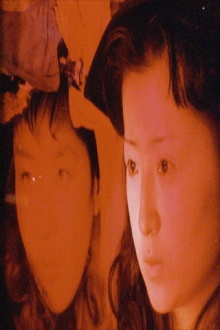
The camera movements limited to “pan and tilt” consciously imitate the rectangular movie screen that is often compared with a window. The male audience looks at a peep show through the screen/window in the closed darkness. His vision of desire restricted by the camera movement indulges in mannequins, roses, prostitutes, meats and female bodies in the showcases. Both the unconscious audience and the simplified, objectified actress do not have choice. The dissonance of image and text produces harmony and disharmony to create a distance between the film and the audience. The distance seeks to dissolve the film’s suppressed form and to lead the audience to an active viewing experience.
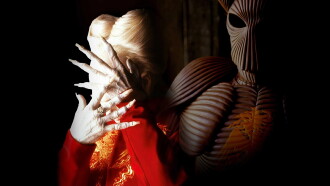
Count Dracula, a 15th-century prince, is condemned to live off the blood of the living for eternity. Young lawyer Jonathan Harker is sent to Dracula's castle to finalise a land deal, but when the Count sees a photo of Harker's fiancée, Mina, the spitting image of his dead wife, he imprisons him and sets off for London to track her down.
Linnea in Monet's Garden is a unique blend of imagination and education, teaching children about the art and life of one of the most important painters of the 20th century, while entertaining them with the mystery and beauty of art and nature.
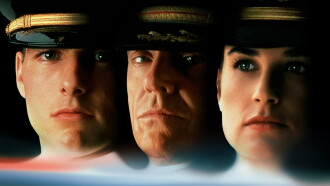
When cocky military lawyer Lt. Daniel Kaffee and his co-counsel, Lt. Cmdr. JoAnne Galloway, are assigned to a murder case, they uncover a hazing ritual that could implicate high-ranking officials such as shady Col.