Cinés d'Afrique, a documentary structured like a magazine program, aims to provide an overview of the state of African cinema by exploring seven topics representative of its current realities. Collectively, these subjects offer a ground-level panorama—a perspective grounded in actual practice—of the directions African cinema is currently taking. The content of Cinés d'Afrique is driven by a dual purpose: to describe the practices and experiences that illustrate the unique nature of African cinema, and to highlight the viewpoints and critical reflections that this cinema generates about itself.
“There was excitement in the air,” says Donga, now in his late twenties, describing his feelings when the uprising against Muammar Gaddafi’s rule broke out in 2011.
Filmmaker Christopher Quinn observes the ordeal of three Sudanese refugees -- Jon Bul Dau, Daniel Abul Pach and Panther Bior -- as they try to come to terms with the horrors they experienced in their homeland, while adjusting to their new lives in the United States.
Between 1983 and 1987, Ouagadougou, the capital of Burkina Faso and the home city of FESPACO, one of the most important Pan-African film festivals in the world, was the scene of an exciting cinema utopia.
The Vatican media documentary about the roots of Robert Francis Prevost in his native United States. It follows an itinerary that begins with his childhood in Dolton, through the memories of his brothers Louis and John, and continues among schools and universities, communities and parishes, featuring the voices of confreres, teachers, classmates, and longtime friends.
In 1928, Lady Heath became the first person to fly solo from Cape Town to London. Eighty-five years later, Tracey Curtis-Taylor set out in a vintage biplane to fly that adventure again.
Hereros Angola is a documentary film on the ethnic group of the same name. Originated from Bantu peoples, they maintain their millennial culture which gains new senses through the camera.
Loving but irresponsible dad Daniel Hillard, estranged from his exasperated spouse, is crushed by a court order allowing only weekly visits with his kids.
In 1996, brash L.A. detective John Spartan and maniac killer Simon Phoenix are both sentenced to decades in a cryogenic prison as punishment for a rescue mission gone wrong.
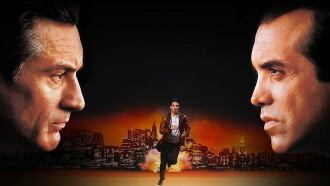
Set in the Bronx during the tumultuous 1960s, an adolescent boy is torn between his honest, working-class father and a violent yet charismatic crime boss.
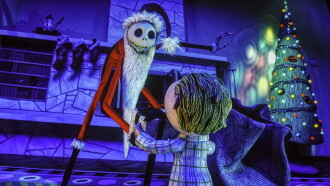
Tired of scaring humans every October 31 with the same old bag of tricks, Jack Skellington, the spindly king of Halloween Town, kidnaps Santa Claus and plans to deliver shrunken heads and other ghoulish gifts to children on Christmas morning.
An interesting attempt at a postmodern crazy comedy with elements of parody. The plot turns on the search for the recipe of a liqueur made by the film’s financial backer.
When a woman's father goes missing, she enlists a local to aid in her search. The pair soon discover that her father has died at the hands of a wealthy sportsman who hunts homeless men as a form of recreation.