The third in a four-part video art series produced by duo Christiane Dellbrügge and Ralf de Moll in the early-'90s, this piece continues the series' themes of incorporating art theory into video art, particularly through the juxtaposition of words and images. Here, the duo record a performance by a singer dealing in the profound social and cultural effects that television has had on modern human life. Images of the musician - over-saturated and recorded at a lower frame rate but duped at normal speed - are only apparent when he is singing. Otherwise, the screen is black, with only the sound of his guitar.
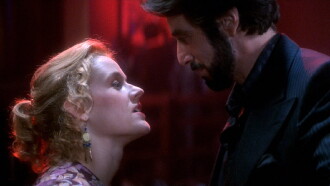
Free after years in prison, Carlito Brigante intends to give up his criminal ways, but it's not long before the ex-con is sucked back into the New York City underworld.
Just before the advent of the Great Depression, Henry Ford controlled the most important company in the most important industry in the booming American economy.
Billy and Jack are modern-day Robin Hoods who engage in petty scums to earn money for the upkeep of a daycare center for indigent and underprivileged children.
He is a writer and Ángela, a mature woman, is his domestic employee. Since he can't find inspiration, he decides to accompany her on her work day to other houses.
Based on the real life story of Myrna Diones, a 14 year-old survivor of a brutal massacre of her, her sister and their two cousins in the Cordillera mountain range in northern Luzon by the very people who should've protect them, policemen .
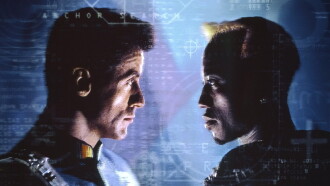
In 1996, brash L.A. detective John Spartan and maniac killer Simon Phoenix are both sentenced to decades in a cryogenic prison as punishment for a rescue mission gone wrong.
Comments
Have you watched Video Theory 3 yet? What did you think about it?