The ferry crosses the river, transporting people from one shore to the other, from one country to another. It runs year round, never stopping. The footage was filmed on the Latvian-Belarussian border in the early 1990s - a time when the Soviet Union began to crumble and Latvia regained its independence.
A survivor of the Rwandan Genocide struggles to forgive the man who killed her children. A victim’s daughter strikes up an unusual friendship with the ex-IRA bomber who killed her father.
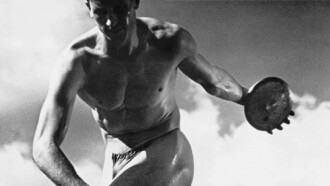
Starting with a long and lyrical overture, evoking the origins of the Olympic Games in ancient Greece, Riefenstahl covers twenty-one athletic events in the first half of this two-part love letter to the human body and spirit, culminating with the marathon, where Jesse Owens became the first track and field athlete to win four gold medals in a single Olympics.
Part two of Leni Riefenstahl's monumental examination of the 1938 Olympic Games, the cameras leave the main stadium and venture into the many halls and fields deployed for such sports as fencing, polo, cycling, and the modern pentathlon, which was won by American Glenn Morris.
Singapore GaGa is a 55-minute paean to the quirkiness of the Singaporean aural landscape. It reveals Singapore's past and present with a delight and humour that makes it a necessary film for all Singaporeans.
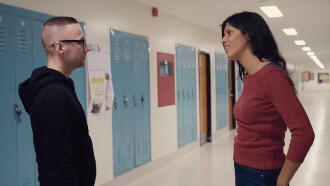
Following a series of intimate conversations between a former couple who lived through two years of domestic abuse, A Better Man infuses new energy and possibility into the movement to end violence against women.
Esther Robinson's portrait of her uncle Danny Williams, Warhol's onetime lover, collaborator and filmmaker in his own right, offers a exploration of the Factory era, an homage to Williams's talent, a journey of family discovery and a compelling inquiry into Williams's mysterious disappearance at age 27.
With four strikes against her (black, female, poor and a lesbian), our trailblazer, Jewel Thais-Williams, helped changed laws, save lives and influence communities across Los Angeles, California as she opened her legendary nightclub's door for 42 years.
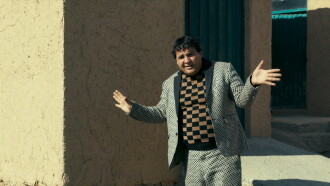
French documentarist Sonia Kronlund follows actor and director Salim Shaheen, an Afghan movie star who produced more than 110 low-budget movies in a country devastated by war.
THE AMERICAN NURSE is a heart-warming film that explores some of the biggest issues facing America - aging, war, poverty, prisons - through the work and lives of nurses.
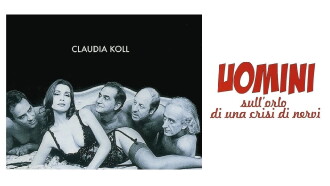
"Men on the edge of a nervous breakdown" - Vincenzo, Gianni, Nicola and Pino are four friends who for years have been seeing every Monday to play poker.
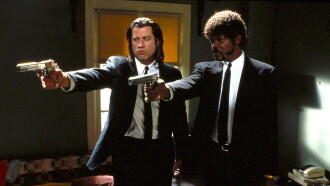
A burger-loving hit man, his philosophical partner, a drug-addled gangster's moll and a washed-up boxer converge in this sprawling, comedic crime caper.
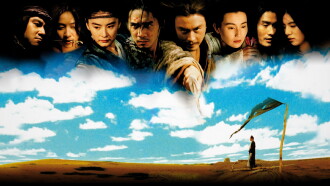
Ouyang Feng is a heartbroken and cynical man who spends his days in the desert, connecting expert swordsmen with those seeking revenge and willing to pay for it.
A story about a rural family in China. The husband stays at home and farms the land, while the wife goes into town to be a prostitute to earn more money.
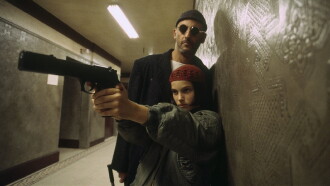
Léon, the top hit man in New York, has earned a rep as an effective "cleaner". But when his next-door neighbors are wiped out by a loose-cannon DEA agent, he becomes the unwilling custodian of 12-year-old Mathilda.
Comments
Have you watched The Ferry yet? What did you think about it?