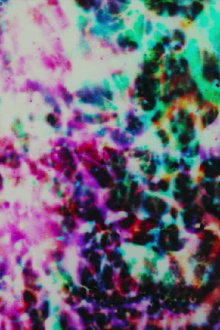
Essentially a slow evolution from black to white, this film is an articulation of the old idea of Aristotle's that colours arise from the clash between light and dark. The colours of #7 are based on the opposition of pigment and light, and are all produced by stamping paint directly onto the negative.
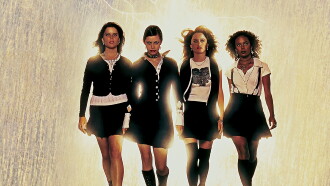
A Catholic school newcomer falls in with a clique of teen witches who wield their powers against all who dare to cross them -- be they teachers, rivals or meddlesome parents.
A young man makes ends meet by selling camotes in his small providence town, has zero luck getting with the ladies, and is too broke to afford the hookers of the town.
When rogue stealth-fighter pilot Vic Deakins deliberately drops off the radar while on maneuvers, the Air Force ends up with two stolen nuclear warheads -- and Deakins's co-pilot, Riley Hale, is the military's only hope for getting them back.