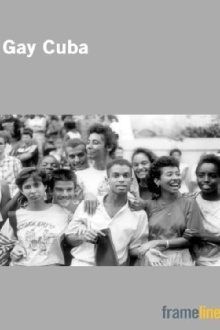
The 1959 revolution which gave Cuba its independence ushered in a new era of equality, blind to race and to gender - but not to sexual orientation. Military necessity and contemporary Stalinist ideology served only to reinforce long-held stereotypes detrimental to the integration of homosexuals into Cuba's perpetually reforming social structure.
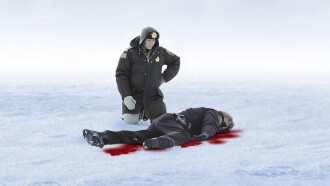
Jerry, a small-town Minnesota car salesman is bursting at the seams with debt... but he's got a plan. He's going to hire two thugs to kidnap his wife in a scheme to collect a hefty ransom from his wealthy father-in-law. It's going to be a snap and nobody's going to get hurt... until people start dying. Enter Police Chief Marge, a coffee-drinking, parka-wearing - and extremely pregnant - investigator who'll stop at nothing to get her man. And if you think her small-time investigative skills will give the crooks a run for their ransom... you betcha!
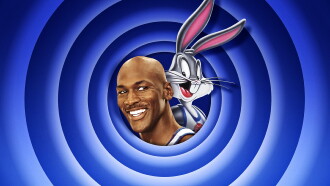
With their freedom on the line, the Looney Tunes seek the help of NBA superstar Michael Jordan to win a basketball game against a team of moronic aliens.
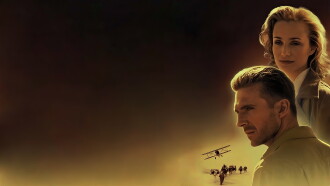
In the 1930s, Count Almásy is a Hungarian map maker employed by the Royal Geographical Society to chart the vast expanses of the Sahara Desert along with several other prominent explorers.
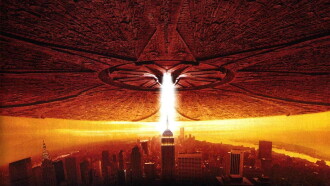
A fleet of Martian spacecraft surrounds the world's major cities and all of humanity waits to see if the extraterrestrial visitors have, as they claim, "come in peace.
Failed hockey player-turned-golf whiz Happy Gilmore — whose unconventional approach and antics on the green courts the ire of rival Shooter McGavin — is determined to win a PGA tournament so he can save his granny's house with the prize money.