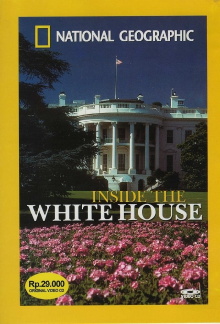
Featuring behind-the-scenes footage and unprecedented access to its hallowed halls, this program from National Geographic takes viewers on an in-depth tour of 1600 Pennsylvania Avenue -- the White House. Interviews with presidents and first ladies offer a revealing look at what goes into running that famous household, and White House employees give viewers a taste of the preparations involved in hosting a state dinner.
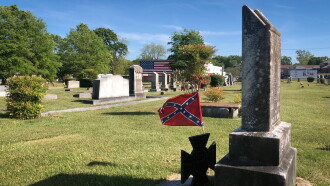
An intimate insider’s journey to uncover buried truths and explore how the community in Monroe, Georgia has been impacted by the 1946 quadruple lynching and decades of racial injustice, shattering a code of silence that has distanced neighbor from neighbor for generations.
A documentary of the decline of America, composed of archival material and exclusive footage, carnage, madness, and mayhem with an unapologetic sincerity on the factual depiction of violence in the industrialized nation of the United States.
An investigation of how Hollywood's fabled stories have deeply influenced how Americans feel about transgender people, and how transgender people have been taught to feel about themselves.
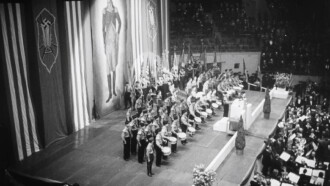
Archival footage of an American Nazi rally that attracted 20,000 people at Madison Square Garden in 1939, shortly before the beginning of World War II.
Thirty years after the release of his film JFK (1991), filmmaker Oliver Stone reviews recently declassified evidence related to the assassination of President John F.
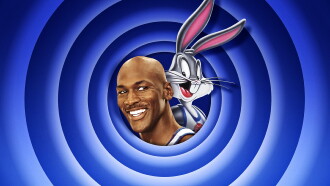
With their freedom on the line, the Looney Tunes seek the help of NBA superstar Michael Jordan to win a basketball game against a team of moronic aliens.
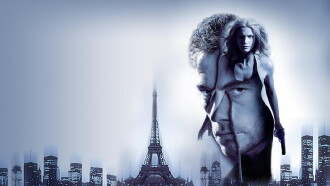
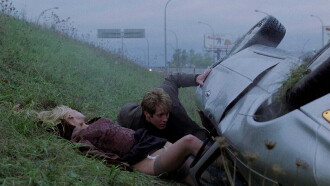
Alain Moreau's investigation into the death of his identical twin brother leads him from the beauty of the south of France to the mean streets of New York City and into the arms of his brother's beautiful girlfriend.
The true story of a Prussian aristocrat working for German military intelligence during World War II, who, with a group of fellow devout Christians, plotted to assassinate Hitler with a bomb in his briefcase.
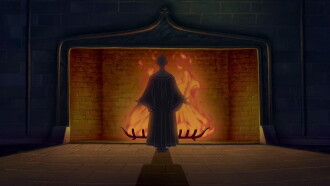
Isolated in the bell tower of Notre Dame, Quasimodo longs to experience the world beyond the cathedral walls, despite the wishes of his stern guardian, the Judge of Paris Claude Frollo.