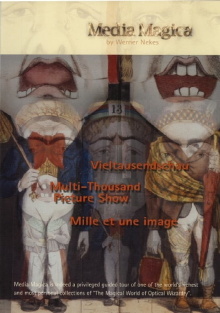
Picture montage was a central aspect in the early history of visual media. As early as the 16th century, techniques such as the folding picture montage anticipated those used in film today. Other examples of early forms of montage are transparencies, picture puzzles and blow books, which direct the gaze towards hidden information. In the myriorame, the multi-thousand picture-show, it is possible to assemble infinite landscapes.
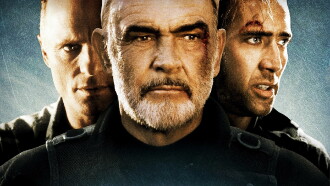
When vengeful General Francis X. Hummel seizes control of Alcatraz Island and threatens to launch missiles loaded with deadly chemical weapons into San Francisco, only a young FBI chemical weapons expert and notorious Federal prisoner have the skills to penetrate the impregnable island fortress and take him down.
A doctor and his wife move to a new city where they plan to start a new life. However, trouble strikes in the form of a police inspector who gets completely obsessed with the doctor's wife.
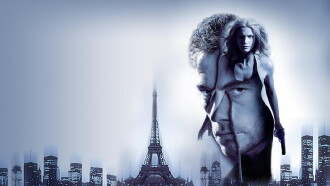
Alain Moreau's investigation into the death of his identical twin brother leads him from the beauty of the south of France to the mean streets of New York City and into the arms of his brother's beautiful girlfriend.
When Ashtray moves to South Central L.A. to live with his father (who appears to be the same age he is) and grandmother (who likes to talk tough and smoke reefer), he falls in with his gang-banging cousin Loc Dog, who along with the requisite pistols and Uzi carries a thermo-nuclear warhead for self-defense.
The true story of a Prussian aristocrat working for German military intelligence during World War II, who, with a group of fellow devout Christians, plotted to assassinate Hitler with a bomb in his briefcase.
A middle-aged couple has a drifter enter their lives. The fish-store owners find that the mysterious young man awakens the couple in ways they didn't expect.
Director Mohsen Makhmalbaf claims to have never seen a movie before making his first film. Doubtful as it sounds, this boast matches perfectly with the controversial artist's personae.
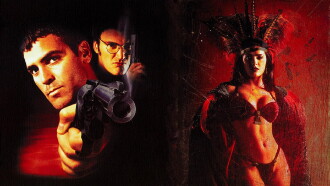
After kidnapping a father and his two kids, the Gecko brothers head south to a seedy Mexican bar to hide out in safety, unaware of its notorious clientele.
Comments
Have you watched Multi-Thousand Picture Show yet? What did you think about it?