Pua Mora Bhola Sankara is a 1996 Indian Odia-language film directed by Hara Patnaik starring Siddhanta Mahapatra, Rachna Banerjee and Mihir Das.[1] The film was a box office success and made Mihir Das popular
Filmmaker Ernesto Rimoch looks at the potent combination of love and ambition in this film about a couple who's so happy their daughter is marrying into a rich clan that they throw the best wedding ever, even if they can't afford it.
Comprised of a series of bizarre and unrelated episodes, this absurd Italian comedy earned the inglorious honor of being the film with the most audience walkouts at the 1996 Venice Film Festival.
Director Mohsen Makhmalbaf claims to have never seen a movie before making his first film. Doubtful as it sounds, this boast matches perfectly with the controversial artist's personae.
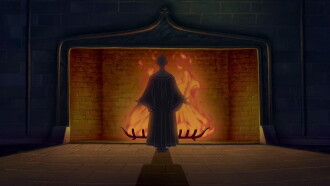
Isolated in the bell tower of Notre Dame, Quasimodo longs to experience the world beyond the cathedral walls, despite the wishes of his stern guardian, the Judge of Paris Claude Frollo.
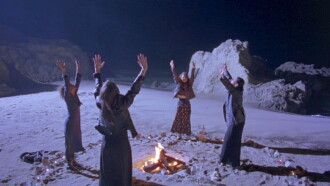
A Catholic school newcomer falls in with a clique of teen witches who wield their powers against all who dare to cross them -- be they teachers, rivals or meddlesome parents.
The true story of a Prussian aristocrat working for German military intelligence during World War II, who, with a group of fellow devout Christians, plotted to assassinate Hitler with a bomb in his briefcase.