The Escape (of Marie Antoinette) is composed of layered and overlapping footage. The very title of the film encapsulates this willed contradiction, as Marie-Antoinette did not, of course, escape; she was captured and her extraordinary life brought to a violent and untimely end.
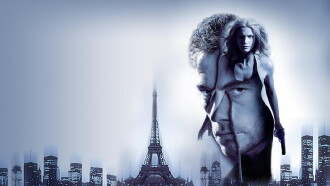
Alain Moreau's investigation into the death of his identical twin brother leads him from the beauty of the south of France to the mean streets of New York City and into the arms of his brother's beautiful girlfriend.
A middle-aged couple has a drifter enter their lives. The fish-store owners find that the mysterious young man awakens the couple in ways they didn't expect.
Director Mohsen Makhmalbaf claims to have never seen a movie before making his first film. Doubtful as it sounds, this boast matches perfectly with the controversial artist's personae.
The dynamic PR-agent Hannah is starting up her dream-job in the Hochstedt Company producing toys and soon falls in love with her firm's junior executive director, Wolfgang.
Jerry Maguire used to be a typical sports agent: willing to do just about anything he could to get the biggest possible contracts for his clients, plus a nice commission for himself.
A jaded Lower East Side couple have become bored of straight sex, in a bid to spice things up, they decide to imitate some rough sex scenes as seen on TV.