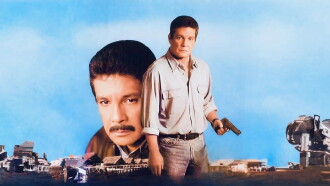
This World (A Correspondence Between Naomi Kawase and Hirokazu Koreeda) Trailer (1996)
01 January 1996 Factual 65 mins
The film takes shape through the form of a video exchange between Hirokazu Kore-eda and Naomi Kawase. Each films the world around them and intimately reflects on their individual struggles with making films. Kore-eda self-consciously reflects on his process, “What does a camera shoot? What does a film capture? The emptiness in my life reflects in my work.” Kawase concentrates on her everyday life and candid moments with her friends, who say, “Hang in there Naomi we are all on your side,” and, “You never keep the promises you make, but I love you anyway.”
Watch the official This World (A Correspondence Between Naomi Kawase and Hirokazu Koreeda) 1996 trailer in HD below or find more This World (A Correspondence Between Naomi Kawase and Hirokazu Koreeda) videos on Vidimovie.