W.E.B. DuBois: A Biography in Four Voices Trailer (1996)
11 September 1996 Factual 114 mins
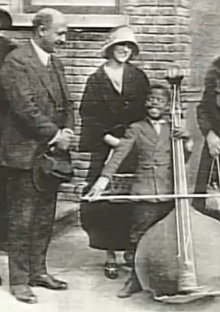
The long and remarkable life of Dr. William Edward Burghardt (W.E.B) Du Bois (1868-1963) offers unique insights into an eventful century in African American history. Born three years after the end of the Civil War, Du Bois witnessed the imposition of Jim Crow, its defeat by the Civil Rights Movement and the triumph of African independence struggles. Du Bois was the consummate scholar-activist whose path-breaking works remain among the most significant and articulate ever produced on the subject of race. His contributions and legacy have been so far-reaching, that this, his first film biography, required the collaboration of four prominent African American writers. Wesley Brown, Thulani Davis, Toni Cade Bambara and Amiri Baraka narrate successive periods of Du Bois' life and discuss its impact on their work.
Watch the official W.E.B. DuBois: A Biography in Four Voices 1996 trailer in HD below or find more W.E.B. DuBois: A Biography in Four Voices videos on Vidimovie.