Emil Barchański. A resident of Warsaw. He took part in the action of setting fire to the monument of Feliks Dzierżyński. He took part in street demonstrations. Arrested as a result of a provocation. Beaten. He was put before the Juvenile Court for printing illegal publications. In 1982 he was 17 years old. On a June day he left home and never returned. He died in mysterious circumstances. The author of the film attempts to reconstruct the last hours of the boy's life, and at the same time goes back to the events of the months preceding the tragic epilogue. Emil and his death are recalled on camera by his mother and peers. His co-workers talk about the events during martial law, drawing sometimes surprising conclusions. People involved in solving the mystery of the boy's death also talk about it. The most controversial character of the story also appears: a man who accompanied Emil during his last walk to the Vistula River.
The dynamic PR-agent Hannah is starting up her dream-job in the Hochstedt Company producing toys and soon falls in love with her firm's junior executive director, Wolfgang.
In this contemporary take on William Shakespeare's classic tragedy, the Montagues and Capulets have moved their ongoing feud to the sweltering suburb of Verona Beach, where Romeo and Juliet fall in love and secretly wed.
Director Mohsen Makhmalbaf claims to have never seen a movie before making his first film. Doubtful as it sounds, this boast matches perfectly with the controversial artist's personae.
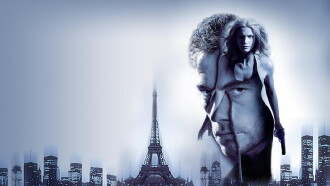
Alain Moreau's investigation into the death of his identical twin brother leads him from the beauty of the south of France to the mean streets of New York City and into the arms of his brother's beautiful girlfriend.
A young man makes ends meet by selling camotes in his small providence town, has zero luck getting with the ladies, and is too broke to afford the hookers of the town.
Comments
Have you watched Wyszedlem po slonce... yet? What did you think about it?