Starting in 1979, nearly 2,000 children were evacuated from Namibia (and refugee camps in neighboring Angola and Zambia) to protect them from the violence of civil war between South Africa and the socialist liberation movement, SWAPO. In a gesture of allyship with SWAPO, the GDR accepted almost 500 children for their “protection, education, and socialist training.” In 1990, they were suddenly returned—after Namibia's independence and first all-race elections, which took place the same week as the Berlin Wall opened. The young people interviewed in this film reflect on the experiences of the Namibian children who spent their childhoods in East Germany, focusing especially on their sense of identity and the difficulties they faced fitting into society.
Between 1904 and 1908, when Namibia was still called German South West Africa and a German colony, up to 60,000 Ovaherero and 10,000 Nama died at the hands of German colonialists.
On the harsh and unforgiving plains of central Namibia, Africa, a young honey badger named Grit has just left home to venture out in the great, wide world, but it won't be easy.
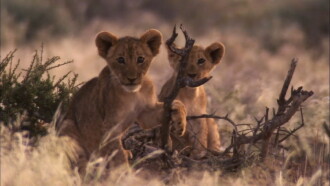
In this captivating tale, lion researcher Dr. Philip Stander follows three orphaned desert lion cubs as they navigate the harsh realities of survival in one of the world’s most unforgiving places, Namibia’s brutal Skeleton Coast.
Meet the "Five Musketeers," five inseparable lion brothers raised in the ancient Namib Desert. When they eventually become independent from their mothers, they venture into the desert in search of their own kingdom--a journey fraught with treacherous terrain and conflict.
In Namibia, conservationist Maria Diekmann found herself on the frontline of the battle to save these wanted animals after unexpectedly becoming a surrogate mother to an orphaned baby pangolin named Honey Bun.
Between 1950 and 1958, John Marshall made four expeditions to film the Ju/'hoansi (a group of !Kung Bushmen) of the Nyae Nyae region of Namibia (then South West Africa).
Remember the culture clash in THE GODS MUST BE CRAZY? This time it's real. One of the most ancient cultures on our planet is undergoing a major change.
Popular movie trailers from 1997
These some of the most viewed trailers for movies released in 1997:
In a backwoods cabin, a boy called Little Man lives with his dad (a trapper), his older sister Missy, and his younger sister Kid, who is feral, spends most of her time under the table, and can imitate the sound of any animal.
Three detectives in the corrupt and brutal L.A. police force of the 1950s use differing methods to uncover a conspiracy behind the shotgun slayings of the patrons at an all-night diner.
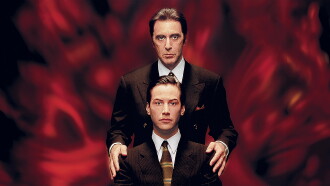
Aspiring Florida defense lawyer Kevin Lomax accepts a job at a New York law firm. With the stakes getting higher every case, Kevin quickly learns that his boss has something far more evil planned.