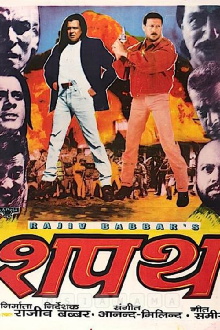
Inspector Kishan lives a middle-class lifestyle in Mumbai, India, along with his younger brother, Rahul. He is in love with Kavita, the daughter of a Mantri, Dindayal Kallu, while Rahul is in love with Neena. The city is being held to ransom by corrupt politicians like Rana Jung Bahadur who openly associate with gangsters and criminal dons like Chaurasia, Rajeshwar and his brother, Lankeshwar. But when Chaurasia decides to take the larger share of the underworld market, a gang-war breaks out. When Inspector Kishan attempts to arrest Chaurasia, he is warned by his superior, ACP. Rahul then witnesses a murder being committed by Chaurasia's goon, Surya, but before he could do anything, he himself is killed.
After having witnessed the gruesome murder of his father, Harish's plans for revenge go for a toss when he is framed by the same mafia boss who killed his father.
Havaldar Balkar Singh, Captain Dhananjay Shergill and Lieutenant Sahil Naqvi are amongst numerous fatalities on India's side in the 1999 Kargil war against Pakistan.
The biggest saga of the year is about to unfold the dark side of India's underworld enterprise. The film will showcase the true story behind India's biggest underworld enterprise, D Company, a Mumbai based underworld gang headed by Dawood Ibrahim Kaskar.
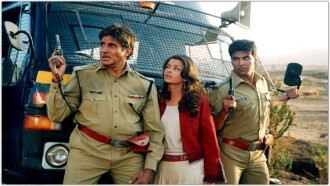
DCP Anant and his team get tasked with escorting an alleged terrorist to Mumbai. However, a rogue ex-police officer makes their task difficult as he tries to stop them from reaching their destination.
Raftaar Singh is always looking to have fun and runs away from responsibility. Fed up, his father orders Raftaar to go to Goa and work, and learn to take on responsibility.
HBO (in association with the American Film Institute) presents this 1997 anthology, narrated by Liev Schreiber, which looks at sports in cinema from the earliest silent films until the nineties.
A story about Boyong, the master barber, and Apolinario, Boyong's nephew and apprentice. They man their shabby barbershop, dreaming of hitting the big time someday.
101-year-old Rose DeWitt Bukater tells the story of her life aboard the Titanic, 84 years later. A young Rose boards the ship with her mother and fiancé.