"Carnforth to Barrow-in-Furness, Bootle to Maryport"01 December 1997Factual91 mins
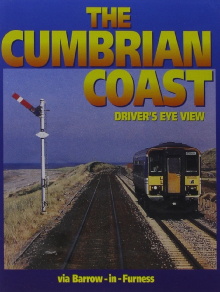
One of the least well-known areas of Britain, we travel to the Cumbrian Coast by means of two different trains. Firstly, we board a North West Regional Railways Express (class 156) which traverses the former Furness Railway via Grange-over-Sands and Ulvertston to Barrow-in-Furness. There we change to a class 153 for the most scenic section of the route along the coast from Bootle to Maryport, filmed in what can only be described as 100% perfect weather - not a cloud in the sky! Apparently you only get one day a year like that along the coast and we were there! As signalling expert David Allen says in his script; "this line is a mecca for semaphore signalling enthusiasts". Filmed in 1997.
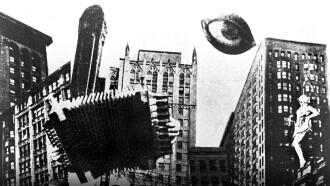
A day in the city of Berlin, which experienced an industrial boom in the 1920s, and still provides an insight into the living and working conditions at that time.
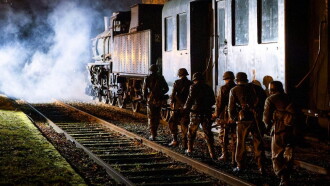
Pentrex takes you back in time to the late 1950s and 1960s for a close-up look at the waning years of steam locomotives in operation on America's eastern railroads.
The Channel Tunnel linking Britain with France is one of the seven wonders of the modern world but what did it take to build the longest undersea tunnel ever constructed? We hear from the men and women, who built this engineering marvel.
"The End of the Line - Rochester's Subway" tells the little-known story of the rail line that operated in a former section of the Erie Canal from 1927 until its abandonment in 1956.
Popular movie trailers from 1997
These some of the most viewed trailers for movies released in 1997:
HBO (in association with the American Film Institute) presents this 1997 anthology, narrated by Liev Schreiber, which looks at sports in cinema from the earliest silent films until the nineties.
Hired by a powerful member of the Russian mafia to avenge an FBI sting that left his brother dead, a psychopathic hitman known only as The Jackal proves an elusive target for the people charged with the task of bringing him down: a deputy FBI director, a Russian MVK Major, and a jailed IRA terrorist who can recognize him.
9-year-old Alex Pruitt is home alone with the chicken pox. Turns out, due to a mix-up among nefarious spies, Alex was given a toy car concealing a top-secret microchip.
Grieving the death of his girlfriend, Ashok visits his pal Hemanth. But the journey of healing takes a detour when Ashok begins to fall for Hemanth's devoted wife, Veena, who reminds Ashok of his lost love.
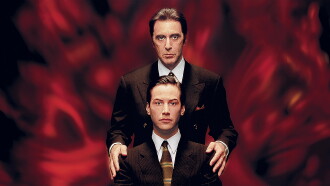
Aspiring Florida defense lawyer Kevin Lomax accepts a job at a New York law firm. With the stakes getting higher every case, Kevin quickly learns that his boss has something far more evil planned.
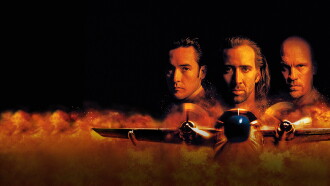
Newly-paroled former US Army ranger Cameron Poe is headed back to his wife, but must fly home aboard a prison transport flight dubbed "Jailbird" taking the “worst of the worst” prisoners, a group described as “pure predators”, to a new super-prison.