A brief look at the history of "Homicide: Life on the Street", one of the best shows on television and its ratings history as well as some of the people on the show, as well as behind the camera. The primary focus of this PBS documentary is the "Subway" episode which aired on December 5, 1997 on NBC. This two-hour documentary follows the "Subway" episode from conception to award nominations.
It’s a story that made headlines: “Festival Film Banned!” In the late 1960s, the majority of films screened in Australia were censored in some way or another.
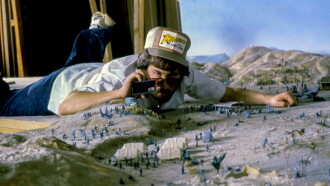
Hawaii, May 1977. After the success of Star Wars, George Lucas and Steven Spielberg meet to find a new project to work on together, the former as producer, the latter as director.
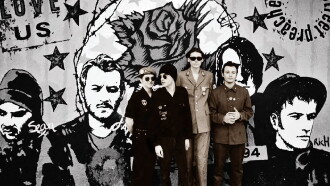
In the early nineties, before the massive gentrification of many of New York's then slums, several young people from very disparate backgrounds left their broken homes and ventured onto the brutal streets of the city.
Who has ever compared Reservoir Dogs? What are “Open Road” and “New World Disorder”? Why is Harvey Keitel a fairy and how did we all almost become diehard fans of Paul Calderon? Here’s a story about Quentin Tarantino.
Forty years later, Guillermo Montesinos, the actor who played José María el Cepa in The Cuenca Crime (1980), directed by Pilar Miró, returns to the various locations where the shooting of the mythical film, narrating the infamous Grimaldos case (1910), took place.
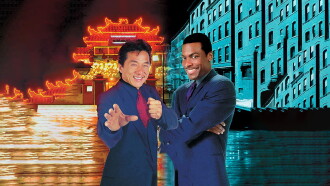
When Hong Kong Inspector Lee is summoned to Los Angeles to investigate a kidnapping, the FBI doesn't want any outside help and assigns cocky LAPD Detective James Carter to distract Lee from the case.
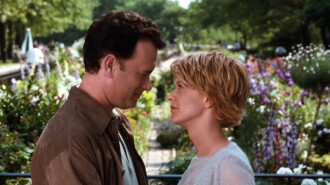
Book superstore magnate Joe Fox and independent book shop owner Kathleen Kelly fall in love in the anonymity of the Internet—both blissfully unaware that he's trying to put her out of business.
A seven-mile-wide space rock is hurtling toward Earth, threatening to obliterate the planet. Now, it's up to the president of the United States to save the world.
By her own admission, Katy Manning is ‘as blind as a bat’ and never knows where she’ll end up. When she suddenly arrived in the UK, Katy was probably as surprised as the rest of us!