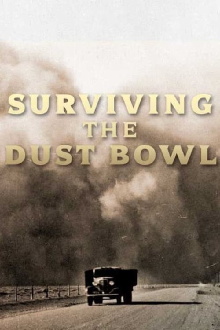
In 1931 the rains stopped and the "black blizzards" began. Powerful dust storms carrying millions of tons of stinging, blinding black dirt swept across the Southern Plains — the panhandles of Texas and Oklahoma, western Kansas, and the eastern portions of Colorado and New Mexico. Topsoil that had taken a thousand years per inch to build suddenly blew away in only minutes. One journalist traveling through the devastated region dubbed it the "Dust Bowl." This American Experience film presents the remarkable story of the determined people who clung to their homes and way of life, enduring drought, dust, disease — even death — for nearly a decade. Less well-known than those who sought refuge in California, typified by the Joad family in John Steinbeck's "The Grapes of Wrath," the Dust Bowlers who stayed overcame an almost unbelievable series of calamities and disasters.
Haunted by his mysterious past, a devoted high school football coach leads a scrawny team of orphans to the state championship during the Great Depression and inspires a broken nation along the way.
A biography of Woody Guthrie, one of America's greatest folk singers. He left his dust-devastated Texas home in the 1930s to find work, discovering the suffering and strength of America's working class.
On the death of HM Queen Elizabeth II, a special documentary featuring contributions from HM King Charles III, her children, public figures, and those who worked with her.
Timo Novotny labels his new project an experimental music documentary film, in a remix of the celebrated film Megacities (1997), a visually refined essay on the hidden faces of several world "megacities" by leading Austrian documentarist Michael Glawogger.
A new age Mondo film that explores the realm of urban decay and various oddities of the modern world, ranging from underground club scenes to sex change operations.
Popular movie trailers from 1998
These some of the most viewed trailers for movies released in 1998:
When Imperial China calls one man from every family to defend the empire from invading Huns, a young woman disguises herself as a soldier to take her ailing father’s place.
The true story of Dr. Hunter "Patch" Adams, who in the 1970s found that humor is the best medicine, and was willing to do just anything to make his patients laugh—even if it meant risking his own career.
When a large corporation threatens to take over a small town's primary business and put half of the town's population out of work, sawmill owner Logan Reeser is the only one who can stand in their way.
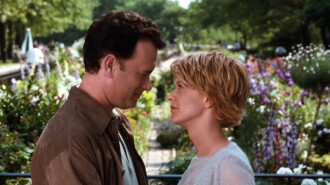
Book superstore magnate Joe Fox and independent book shop owner Kathleen Kelly fall in love in the anonymity of the Internet—both blissfully unaware that he's trying to put her out of business.
Rising pop star Mima Kirigoe quits singing to pursue a career as an actress. After she takes up a role on a popular detective show, her handlers and collaborators begin turning up murdered.