In 1970, at the height of the Vietnam War and on the heels of Nixon's announcement that U.S. troops would invade Cambodia, a mild-mannered English professor at UC Berkeley completed a startling book called The War Conspiracy. Yet, despite the fact that the author's publisher was Bobbs Merrill, a major literary brand, the book never reached the public domain. Little did the professor know there were powerful forces working behind the scenes to prevent its release. He would later discover that through its ties to ITT, a major shareholder in Bobbs Merrill, the Central Intelligence Agency was able to suppress the book.
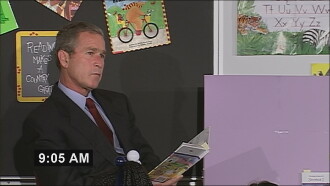
Michael Moore's view on how the Bush administration allegedly used the tragic events on 9/11 to push forward its agenda for unjust wars in Afghanistan and Iraq.
Three charming 20-something grandsons take a unique journey with their grannies to discover their historic and personal legacies through stories from the Second World War.
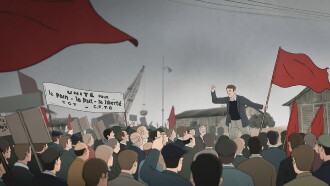
Brest, 1950. The war ended five years ago and nothing remains of the city. Massive bombings and intense fighting lasting more than a month turned the city, its docks, its arsenal, into ashes.
The ruined harbor of Rotterdam obstructs the recovery of The Netherlands after the war. Rapidly and with borrowed strength the harbor takes its rightful place in the city of Rotterdam.
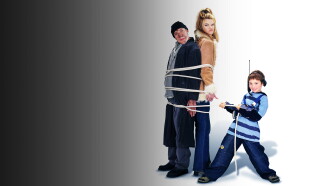
Kevin McCallister's parents have split up. Now living with his mom, he decides to spend Christmas with his dad at the mansion of his father's rich girlfriend, Natalie.
Manny the mammoth, Sid the loquacious sloth, and Diego the sabre-toothed tiger go on a comical quest to return a human baby back to his father, across a world on the brink of an ice age.
Kay and Jay reunite to provide our best, last and only line of defense against a sinister seductress who levels the toughest challenge yet to the MIB's untarnished mission statement – protecting Earth from the scum of the universe.
The year is 1965 and America is at war with North Vietnam. Commanding the air cavalry is Lt. Col. Hal Moore (Gibson), a born leader committed to his troops.
Nerdy high school senior Dizzy Harrison has finally gotten lucky -- after purposely getting expelled, he takes lessons in 'badass cool' from a convict and enrolls at a new school.
When his father caught his 12-year-old son masturbating over a pornographic magazine, he does not punish him but he states: "If you do this fifty times - you will die".