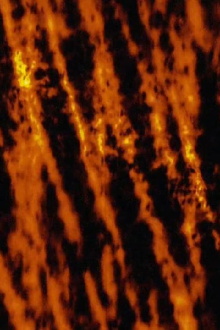
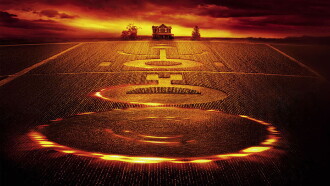
Hojas de Maíz was made at the request of Cincinnati composer and instrument-builder Anthony Luensman. The film was originally envisioned to be part of Tony's installation, Irato, in which each of his twenty-plus pieces, on exhibit in a civic art center, responded to viewers' pressing of a button. An exhibit of doorbells, imaginatively defined. One of Tony's stocks-in-trade is the use of discarded upright piano innards as electrified harps; my film contribution was to be projected amidst arrays of vibrating piano strings as art patrons took an elevator from the ground floor to a performing arts center. While this eventually proved infeasible due to ambient light conditions in the building, it did inspire the look and basic vocabulary of the film.
Rosy-Fingered Dawn is a film on Terrence Malick. It is about the making of BADLANDS, DAYS OF HEAVEN, THE THIN RED LINE and the personal involvement of some of the most representative figures of the American culture itself.
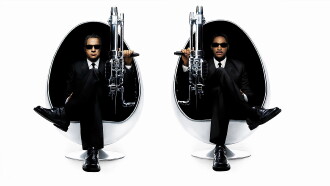
Kay and Jay reunite to provide our best, last and only line of defense against a sinister seductress who levels the toughest challenge yet to the MIB's untarnished mission statement – protecting Earth from the scum of the universe.
Claudio Abbado conducts the Berlin Philharmonic in this gala New Year's Eve performance, organized to commemorate the 100th anniversary of Giuseppe Verdi's death.
Cabbie-turned-chauffeur Jimmy Tong learns there is really only one rule when you work for playboy millionaire Clark Devlin : Never touch Devlin's prized tuxedo.
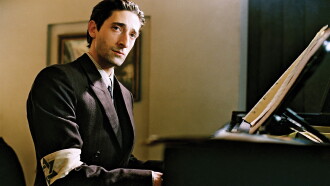
The true story of pianist Władysław Szpilman's experiences in Warsaw during the Nazi occupation. When the Jews of the city find themselves forced into a ghetto, Szpilman finds work playing in a café; and when his family is deported in 1942, he stays behind, works for a while as a laborer, and eventually goes into hiding in the ruins of the war-torn city.