In the 1980s, 156 Rivington was an abandoned building in New York's depressed Lower East Side (known as Alphabet City or Loisaida to black and Puerto Rican residents). Angered at the way the city was embracing gentrification, several renegade artists seized the space and set up an installation called "The Real Estate Show." Though the city closed it down after a day, the action drew citywide attention. Soon, an alternative art and political organizing collective, called ABC No Rio after a dilapidated neighborhood sign that once read "Abogado Notario," was born. Interestingly, as ABC artists flipped a defiant finger to the system that turned its back on "the people," they were slow to critique their own role as community imperialists.
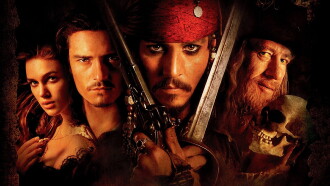
When wily pirate Captain Barbossa seizes Jack Sparrow’s beloved ship, the Black Pearl, and kidnaps the governor’s daughter, Elizabeth Swann, blacksmith Will Turner reluctantly teams up with the unpredictable pirate Jack to rescue her—only to uncover a terrifying curse that turns Barbossa’s crew into the undead.
A satire about the dictatorship period in Brazil, in which communist militants try to steal the soccer World Cup Trophy from the players Pelé and Carlos Alberto Torres.
The film is based on Gennady Shpalikov’s most intimate story, “The Wharf”. Young Katya, who lives in a small provincial town, is dreaming of a prince charming.
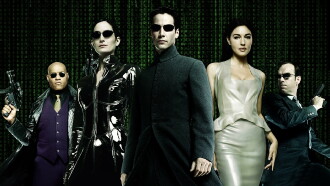
The human city of Zion defends itself against the massive invasion of the machines as Neo fights to end the war at another front while also opposing the rogue Agent Smith.
Robert McChesney lays the blame for the US's current state of affairs squarely at the doors of the corporate boardrooms of big media, which far from delivering on their promises of more choice and more diversity, have organized a system characterized by a lack of competition, homogenization of opinion and formulaic programming.
Comments
Have you watched 156 Rivington yet? What did you think about it?