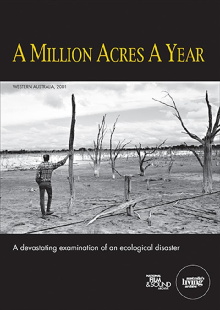
After World War Two, successive governments sold off and encouraged the clearing of less viable areas for agriculture. During the 1960s a million acres a year were opened up. Much of the land was unsuitable for farming yet the new landholders were obliged to bulldoze and burn the native bush or risk losing their allocation. Most were eager to do so and pressured the government to release even more land. The long-term consequences have been devastating, with industrial farming and salinity turning most of this priceless natural heritage into a biological desert.
From the front-lines of conflicts in Mexico, Argentina, South Africa, Palestine, Korea, 'the North' from Seattle to Genova, and the 'War on Terror' in New York, Afghanistan, and Iraq.
Spike Lee's filmmaking career is examined in this partial making-of for the film 25th Hour (2002). Interviews with cast members from this film and his past successes give us an idea what kind of dedicated person he truly is.
It's been 10 years since John Connor saved Earth from Judgment Day, and he's now living under the radar, steering clear of using anything Skynet can trace.