"Through a narrative in which action remains relatively static and intrigue is expressed abstractly through the composer John Davis' classical music and jazz sound track, the women's mundane tasks mirror each other, creating a structural parity between the two channels of the installation. Each channel not only reflects the other but also correlates to it: one woman's exit signals the other's entrance, thus making each image dependent upon the other. While the women's homes, dress, and technological access reveal a century's worth of creature-comfort advances, the two scenes emphasize the continuities of their moments over what might be the expected narrative of racial progress in the hundred years following the end of slavery." -Thomas J. Lax
In 1933, a mischievous ten year old, Archie, is left in the care of his unattentive father, Charlie, a reluctant gangster indebted to mob boss Benny “The Bomb” Palladino.
A group of actors is shooting a film in Aguas Buenas, based on the legend of a magician. There, they become infected with the honesty syndrome, which unleashes a number of hidden secrets to come to light.
When an impulsive boy named Kenai is magically transformed into a bear, he must literally walk in another's footsteps until he learns some valuable life lessons.
A 13 year old girl is raped and murdered in a small country town. Ten years later, the murderer is up for parole and the victim's father has vowed personal vengence if the killer is released.
Bruce Nolan toils as a "human interest" television reporter in Buffalo, NY, but despite his high ratings and the love of his beautiful girlfriend, Bruce remains unfulfilled.
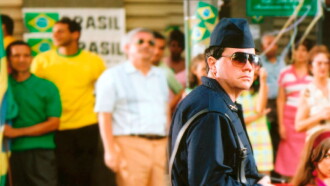
A satire about the dictatorship period in Brazil, in which communist militants try to steal the soccer World Cup Trophy from the players Pelé and Carlos Alberto Torres.
Comments
Have you watched Corridor yet? What did you think about it?