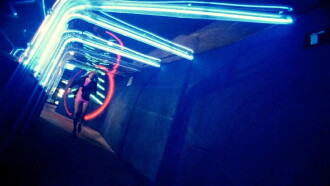
How well can movies reproduce the reality we see? Cinema used to record and reproduce the movements of the scene using a camera (photograph), a device that records the scene in terms of perspective. Is it true? Isn't it possible that our way of seeing things, on the contrary, was created by photographs and movies, or by paintings based on perspective that existed before then? This film provokes the way of viewing films cultivated in this way.
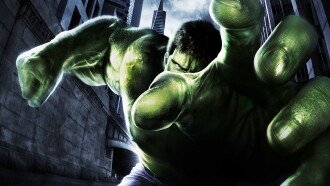
Bruce Banner, a genetics researcher with a tragic past, suffers massive radiation exposure in his laboratory that causes him to transform into a raging green monster when he gets angry.
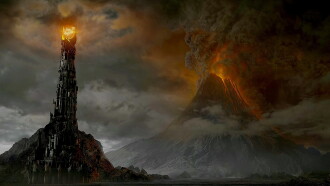
As armies mass for a final battle that will decide the fate of the world--and powerful, ancient forces of Light and Dark compete to determine the outcome--one member of the Fellowship of the Ring is revealed as the noble heir to the throne of the Kings of Men.
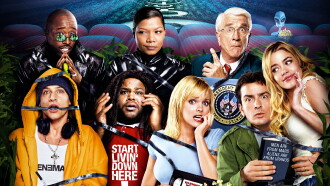
News anchorwoman Cindy Campbell has to investigate mysterious crop circles and killing video tapes, and help the President stop an alien invasion in the process.
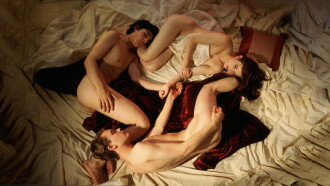
When Isabelle and Theo invite Matthew to stay with them, what begins as a casual friendship ripens into a sensual voyage of discovery and desire in which nothing is off limits and everything is possible.
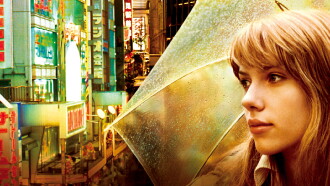
Two lost souls visiting Tokyo -- the young, neglected wife of a photographer and a washed-up movie star shooting a TV commercial -- find an odd solace and pensive freedom to be real in each other's company, away from their lives in America.
In Santiago, Chile, the schoolteacher Luisa proposes a debate about sex with the parents of her students with the intention of giving classes about sex education to the youngsters.
A group of actors is shooting a film in Aguas Buenas, based on the legend of a magician. There, they become infected with the honesty syndrome, which unleashes a number of hidden secrets to come to light.
Comments
Have you watched Discrepant Sight yet? What did you think about it?