K, for Kabylie, is a chronicle in several parts. Chronicle of a fragmented childhood between two countries, memory shredded by separation and abandonment. Chronicle also of the return, of a country broken by the central power (the demonstrations of the region of Tizi Ouzou in particular made tens of deaths), loneliness of the women and the children who fight each day for their survival. This is my family trajectory but it is above all that of a country with "murderous power" as all Kabyle children and adults sing.
Robert McChesney lays the blame for the US's current state of affairs squarely at the doors of the corporate boardrooms of big media, which far from delivering on their promises of more choice and more diversity, have organized a system characterized by a lack of competition, homogenization of opinion and formulaic programming.
The story follows the two sisters Melissa and Emily, the former who accidentally killed her husband Alan and the latter who agrees to help her bury her husband in the desert.
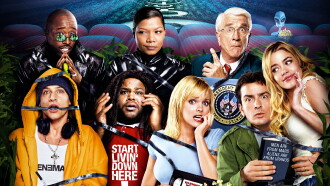
News anchorwoman Cindy Campbell has to investigate mysterious crop circles and killing video tapes, and help the President stop an alien invasion in the process.
Fumiya, a beautiful boy with no fixed address, sells his body to random men in the park. One day, he is in trouble but is saved by a middle-aged university professor, who sets him on a new life.
Nathan Algren is an American hired to instruct the Japanese army in the ways of modern warfare, which finds him learning to respect the samurai and the honorable principles that rule them.
Bruce Banner, a genetics researcher with a tragic past, suffers massive radiation exposure in his laboratory that causes him to transform into a raging green monster when he gets angry.