Milton Rogovin: The Forgotten Ones celebrates the life's work of 93-year-old photographer Milton Rogovin, who dedicated his life to photographing the residents of a depressed six-block area in his hometown of Buffalo, New York.
Alternative movies trailers for Milton Rogovin: The Forgotten Ones
More movie trailers, teasers, and clips from Milton Rogovin: The Forgotten Ones:
Milton Rogovin The Forgotten Ones
Best Documentary Short 2003 Tribeca Film Festival This short film celebrates the life's work of photographer Milton Rogovin who was 93 when this film was ...
Popular movie trailers from 2003
These some of the most viewed trailers for movies released in 2003:
Two lost souls visiting Tokyo -- the young, neglected wife of a photographer and a washed-up movie star shooting a TV commercial -- find an odd solace and pensive freedom to be real in each other's company, away from their lives in America.
Off the coast of the volcanic island of Santorini, the intrepid archaeologist Lara Croft makes the unexpected discovery of a pulsating golden orb able to guide its holder to the mythical Pandora's Box.
When an impulsive boy named Kenai is magically transformed into a bear, he must literally walk in another's footsteps until he learns some valuable life lessons.
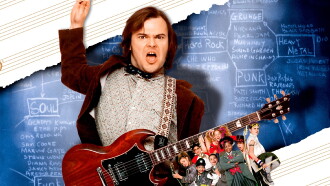
Fired from his band and hard up for cash, guitarist and vocalist Dewey Finn finagles his way into a job as a fifth-grade substitute teacher at a private school, where he secretly begins teaching his straight-A students the finer points of rock 'n' roll and the power of sticking it to the man.
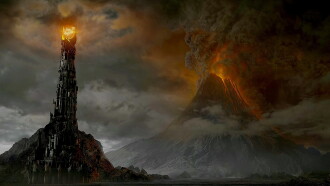
As armies mass for a final battle that will decide the fate of the world--and powerful, ancient forces of Light and Dark compete to determine the outcome--one member of the Fellowship of the Ring is revealed as the noble heir to the throne of the Kings of Men.
A lowly pencil pusher working for MI7, Johnny English is suddenly promoted to super spy after Agent One is assassinated and every other agent is blown up at his funeral.
The human city of Zion defends itself against the massive invasion of the machines as Neo fights to end the war at another front while also opposing the rogue Agent Smith.