Parade consists of a phantasmagoric procession of images, in which the neon glow of the night-time city conjures up a spate of apparitional figures, circling around the slicked-up silhouette of the artist himself; alighting on, or emanating from, him like phantom projections of his personality. Within this twilit demi monde, which may be entirely a figment of the dandy’s own fevered imagination, clothes take on a heightened importance: as prized commodities and as treasured, almost talismanic objects. This closed circuit of desire and display turns increasingly claustrophobic, as if tracing a compulsive, repetitive groove in the protagonist’s mind; culminating, in a self-consciously solipsistic flourish, in a cool 360-degree pan round the walls of Leckey’s flat.
Eight very different couples deal with their love lives in various loosely interrelated tales all set during a frantic month before Christmas in London.
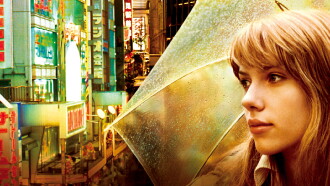
Two lost souls visiting Tokyo -- the young, neglected wife of a photographer and a washed-up movie star shooting a TV commercial -- find an odd solace and pensive freedom to be real in each other's company, away from their lives in America.
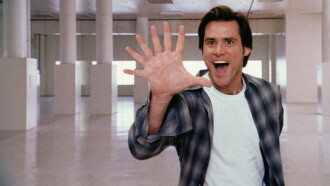
Bruce Nolan toils as a "human interest" television reporter in Buffalo, NY, but despite his high ratings and the love of his beautiful girlfriend, Bruce remains unfulfilled.
Bruce Banner, a genetics researcher with a tragic past, suffers massive radiation exposure in his laboratory that causes him to transform into a raging green monster when he gets angry.
Om lives in Bombay, India, in a small apartment with mother and sister. Om and his mother are of very conservative taste, when it comes to wearing clothes, however, the sister is not.
In Santiago, Chile, the schoolteacher Luisa proposes a debate about sex with the parents of her students with the intention of giving classes about sex education to the youngsters.