After Bucharest, Belgrade is European city with the most stray dogs in Europe. This documentary shows the treatment of countless abandoned dogs in Serbia's capital.
"(On the Quest for) Beograd Underground" is an independent documentary film in the form of a sequence of interviews with alternative artists from Serbia who have dedicated their lives to the creation of one (sub)culture, very rich in its nuances, yet very precarious in its existence.
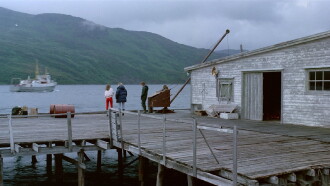
A portrait of a deserted fisherman's village in Northern Norway called Børfjord - a place with an incredible personality in the middle of a magnificent Arctic nature.
Mladen Maticevic is a 40 year old Serbian film director. In the summer of 2005, he decided to try and run the full marathon race on the next Belgrade Marathon, in the spring of 2006.
Shot over three years, Pariah Dog paints a kaleidoscopic picture of the city of Kolkata, seen through the prism of four outsiders and the dogs they love.
A family in rural area of West Java, Indonesia enjoys their time with 'Ngadu Bagong', a sundanese traditional game where dogs put to fight against a wild boar in a single event.
It's been 10 years since John Connor saved Earth from Judgment Day, and he's now living under the radar, steering clear of using anything Skynet can trace.
Nathan Algren is an American hired to instruct the Japanese army in the ways of modern warfare, which finds him learning to respect the samurai and the honorable principles that rule them.
Eight very different couples deal with their love lives in various loosely interrelated tales all set during a frantic month before Christmas in London.
When Isabelle and Theo invite Matthew to stay with them, what begins as a casual friendship ripens into a sensual voyage of discovery and desire in which nothing is off limits and everything is possible.
Robert McChesney lays the blame for the US's current state of affairs squarely at the doors of the corporate boardrooms of big media, which far from delivering on their promises of more choice and more diversity, have organized a system characterized by a lack of competition, homogenization of opinion and formulaic programming.
The human city of Zion defends itself against the massive invasion of the machines as Neo fights to end the war at another front while also opposing the rogue Agent Smith.
When an impulsive boy named Kenai is magically transformed into a bear, he must literally walk in another's footsteps until he learns some valuable life lessons.
Spike Lee's filmmaking career is examined in this partial making-of for the film 25th Hour (2002). Interviews with cast members from this film and his past successes give us an idea what kind of dedicated person he truly is.
Comments
Have you watched The Poor Creatures yet? What did you think about it?