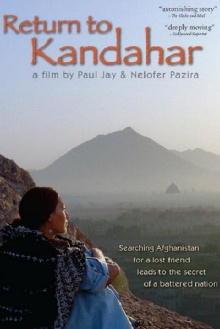
Nelofer Pazira, the star of the movie 'Kandahar,' returns to Afghanistan to seek out her childhood friend Dyana, whose story inspired that film. Landing in Kabul 13 years after her family left Russian-occupied Afghanistan, Nelofer unravels her past and the history of her country while searching for Dyana; the epic journey takes her to Kabul, Kandahar and Masir-e-Sharif, where Dyana's uncle last had contact with her family.
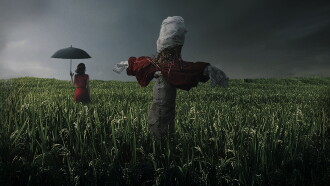
The film is based on Gennady Shpalikov’s most intimate story, “The Wharf”. Young Katya, who lives in a small provincial town, is dreaming of a prince charming.
A lowly pencil pusher working for MI7, Johnny English is suddenly promoted to super spy after Agent One is assassinated and every other agent is blown up at his funeral.
Fumiya, a beautiful boy with no fixed address, sells his body to random men in the park. One day, he is in trouble but is saved by a middle-aged university professor, who sets him on a new life.
Robert McChesney lays the blame for the US's current state of affairs squarely at the doors of the corporate boardrooms of big media, which far from delivering on their promises of more choice and more diversity, have organized a system characterized by a lack of competition, homogenization of opinion and formulaic programming.
In Santiago, Chile, the schoolteacher Luisa proposes a debate about sex with the parents of her students with the intention of giving classes about sex education to the youngsters.