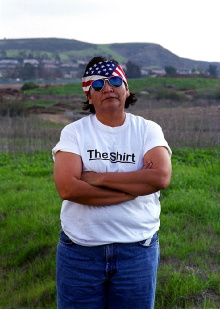
In "The Shirt" Kanien’kehaka (Mohawk) artist and director Shelley Niro parodies the archetypal tourist tee-shirt from the point of view of First Nations Peoples as an exploration into the lasting effects of European colonialism in North America. Facing the camera directly and poised against the landscape of “America”, an Aboriginal woman with biker-like accessories bears a sequential series of statements on her tee-shirt that together comprise a discourse on colonialism. The darkly ironic and yet brutally truthful messages of "The Shirt" draw attention to the history of invasion that indigenous peoples have experienced in North America.
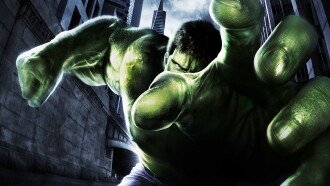
Bruce Banner, a genetics researcher with a tragic past, suffers massive radiation exposure in his laboratory that causes him to transform into a raging green monster when he gets angry.
When Isabelle and Theo invite Matthew to stay with them, what begins as a casual friendship ripens into a sensual voyage of discovery and desire in which nothing is off limits and everything is possible.
It's been 10 years since John Connor saved Earth from Judgment Day, and he's now living under the radar, steering clear of using anything Skynet can trace.
When an impulsive boy named Kenai is magically transformed into a bear, he must literally walk in another's footsteps until he learns some valuable life lessons.
The human city of Zion defends itself against the massive invasion of the machines as Neo fights to end the war at another front while also opposing the rogue Agent Smith.
Comments
Have you watched The Shirt yet? What did you think about it?