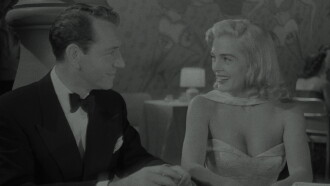
Film noir, which enjoyed particular success in the 1930s and 1940s, is probably the most profound genre of classic Hollywood cinema. Eckhart Schmidt tries to show the background and developments and speaks, among others, with directors such as Richard Fleischer and Robert Wise as well as with "femme fatale" actresses. Filmmakers of the following generations explain how the style and themes of noir continue to shape cinema today.
Spain. 1978. Year of the first democratic elections following the dictatorship, and of the birth cine quinqui (delinquent movies): films that rapidly became a big commercial success, showing things that were banned by the censorship not too long before.
In 1940s Los Angeles, when womanizing composer Keith Vincent is found dead, the inquest concludes it was a suicide but police detective Joe Warne isn't so sure.
Film Noir burrows into the mind; it's disorienting, intriguing and enthralling. Noir brings us into a gritty underworld of lush morbidity, providing intimate peeks at its tough, scheming dames, mischievous misfits and flawed men - all caught in the wicked web of a twisted fate.
Hard-to-crack ex-CIA man Jack Byrnes and his wife Dina head for the warmer climes of Florida to meet the parents of their son-in-law-to-be, Greg Focker.
Mexican immigrant and single mother Flor Moreno finds housekeeping work with Deborah and John Clasky, a well-off couple with two children of their own.
Fak, a young Thai man who leaves the monkhood to care for his ailing father. When he returns home, he finds his father has married a much younger woman.
In year 1250 B.C. during the late Bronze age, two emerging nations begin to clash. Paris, the Trojan prince, convinces Helen, Queen of Sparta, to leave her husband Menelaus, and sail with him back to Troy.
Two FBI agent brothers, Marcus and Kevin Copeland, accidentally foil a drug bust. To avoid being fired they accept a mission escorting a pair of socialites to the Hamptons--but when the girls are disfigured in a car accident, they refuse to go.
An eccentric, if not charming Southern professor and his crew pose as a band in order to rob a casino, all under the nose of his unsuspecting landlord – a sharp old woman.
Henry is a player skilled at seducing women. But when this veterinarian meets Lucy, a girl with a quirky problem when it comes to total recall, he realizes it's possible to fall in love all over again…and again, and again.
Comments
Have you watched Männer im Trenchcoat, Frauen im Pelz yet? What did you think about it?