This is the story of a handful of people who had long quit believing in real existing socialism. They decided to do something about it. In a climate of continuous repression they were able to express artistic freedom in ways which no one would have deemed possible. Clandestine exhibitions, illegal rock-concerts and excessive partying was part of the programme. A clique around singer Jan Sputnik formed a punk-rock band called Democratic Consumption, as a way to earn money. They toured around Germany, performing shows and partied each day like it was their last.
Timon the meerkat and Pumbaa the warthog are best pals and the unsung heroes of the African savanna. This prequel to the smash Disney animated adventure takes you back -- way back -- before Simba's adventure began.
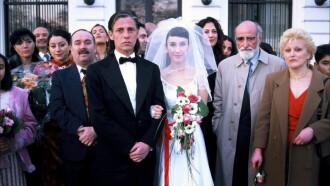
With the intention to break free from the strict familial restrictions, a suicidal young woman sets up a marriage of convenience with a forty-year-old addict, an act that will lead to an outburst of envious love.
In Santiago, Andrés Barros is a partner at an up-and-coming law firm. He's getting married, and his friends, including his law partner Roberto, arrange a bachelor party where he spends the night with a prostitute, Gloria.
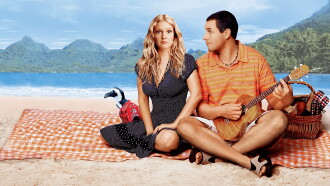
Henry is a player skilled at seducing women. But when this veterinarian meets Lucy, a girl with a quirky problem when it comes to total recall, he realizes it's possible to fall in love all over again…and again, and again.
Bob Parr has given up his superhero days to log in time as an insurance adjuster and raise his three children with his formerly heroic wife in suburbia.