This piece includes many iconographical elements that have evolved in Jonas’s practice since the early 1970s, including the mirror, the hoop and the dog. It epitomises her inventive approach to editing and an illusionistic style characterised by a wry humour. She has described the work as follows:
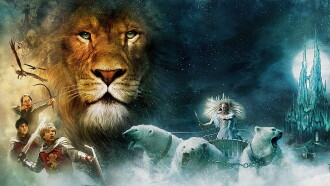
Siblings Lucy, Edmund, Susan and Peter step through a magical wardrobe and find the land of Narnia. There, they discover a charming, once peaceful kingdom that has been plunged into eternal winter by the evil White Witch, Jadis.
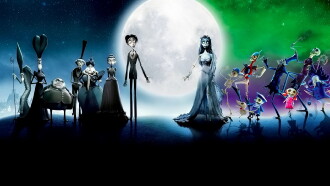
In a 19th-century European village, a young man about to be married is whisked away to the underworld and wed to a mysterious corpse bride, while his real bride waits bereft in the land of the living.
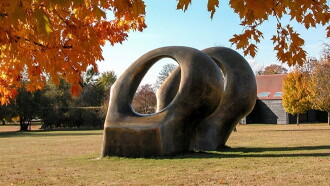
The Art of Henry Moore aims to rediscover the artist by returning to the works themselves – his sculptures, drawings and graphics – and to Moore’s own thoughts about them.
In the 1920s, former coal miner Harry Hoxsey claimed to have an herbal cure for cancer. Although scoffed at and ultimately banned by the medical establishment, by the 1950s, Hoxsey's formula had been used to treat thousands of patients, who testified to its efficacy.
A girl from a peaceful, Edo-era Japanese village seeks revenge for the death of a disgraced elder with the help of her sister and a lethal lady ninja nun.