Founded in 1917, the Shabandar Café in Al Mutanabbi Street in the heart of the old centre of Baghdad was a cultural landmark where generations of Iraqis came to discuss and debate literature and politics. The cafe was a living repository of Iraqi intellectual history and one of the last places where people could gather to exchange ideas. Director Emad Ali had nearly completed filming for his project by the end of 2006. Then, in March 2007, a massive car bomb destroyed the Shabandar Café and all the bookshops on Al Mutanabbi Street, killing and wounded scores of people. Days later, Baghdad's poets and artists held a wake in the ruins of the street they loved so much. Emad took a small camera and returned to continue filming. He was attacked as he was leaving, his camera was stolen and he was shot in the legs and chest. Emad Ali’s own story provides a disturbing epilogue to his film about the Shabandar Café and Mutanabbi Street, both before and after they were destroyed.
A powerful and poignant film in which families and friends of those who have died fighting in Afghanistan and Iraq talk openly about their loved ones and their grief.
Fidelis Cloer is a self-confessed war profiteer who found The Perfect War when the US invaded Iraq. It wasn't about selling a dozen cars, or even a hundred, it was a thousand-car war where security would become the ultimate product.
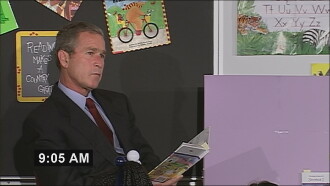
Michael Moore's view on how the Bush administration allegedly used the tragic events on 9/11 to push forward its agenda for unjust wars in Afghanistan and Iraq.
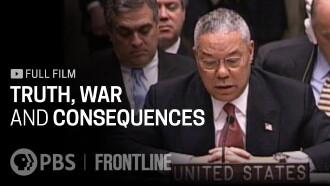
Did America rush into a war in Iraq for which it was unprepared? FRONTLINE examines why the U.S. went to war in Iraq, what went wrong in the planning for the postwar occupation, and what was at stake for both the U.
A chronicle which provides a rare window into the international perception of the Iraq War, courtesy of Al Jazeera, the Arab world's most popular news outlet.
In this revealing program, noted author and economic activist Naomi Klein offers a lecture and a candid interview in which she expounds on the ideas at the heart of her best-selling book.
Programming the Nation? takes an encompassing look at the history of subliminal messaging in America. According to many authorities, since the late 1950s subliminal content has been tested and delivered through all forms of mass-media including Hollywood filmmakers Alfred Hitchcock and William Friedkin. Even our modern military has been accused of these practices in the "war on terror" against soldiers and civilians both abroad and at home. With eye-opening footage, revealing interviews, humorous anecdotes, and an array of visual effects, the film categorically explores the alleged usage of subliminals in advertising, music, film, television, anti-theft devices, political propaganda, military psychological operations, and advanced weapons development. Director Jeff Warrick makes it his personal mission to determine if these manipulative tactics have succeeded in "programming the nation?
Popular movie trailers from 2007
These some of the most viewed trailers for movies released in 2007:
Kristina, a beautiful young lady who sells fresh fruits at her province, only wants a simple life. And her father, Ronaldo, manages a large hectre of Mango farm.
Very loosely based on Nabokov’s ‘Lolita’, this is the story of a writer renting a room at a single mother’s house that starts an affair with the daughter of her.
One among the few sci-fi movies in Malayalam, 'Bharathan Effect' tells the story of Bharathan (Biju Menon) who is a genius inventor struggling to make ends meet.
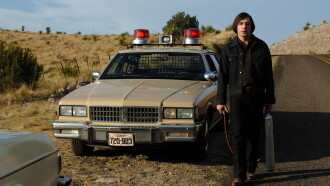
Llewelyn Moss stumbles upon dead bodies, $2 million and a hoard of heroin in a Texas desert, but methodical killer Anton Chigurh comes looking for it, with local sheriff Ed Tom Bell hot on his trail.
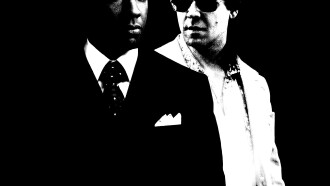
Loosely based on the criminal career of Frank Lucas, a gangster from La Grange, North Carolina, who smuggled heroin into the United States on American service planes returning from the Vietnam War, before being detained by a task force led by Newark Detective Richie Roberts.
Pam meets Rico an Ivatan, and decides to leave her stressful life in the city to follow him to Batanes to meet his parents Boy and Lydia and marry him.
A true story of a courageous boy who becomes a legend. Living a dream that wouldn't die; his passion empowered him to historically change the course of baseball.
A struggling songwriter named Dave Seville finds success when he comes across a trio of singing chipmunks: mischievous leader Alvin, brainy Simon, and chubby, impressionable Theodore.
Comments
Have you watched A Candle for The Shabandar Café yet? What did you think about it?