As new parents can attest, children develop so much in the first year of their life it's hard to keep up. From the moment they draw their initial breath - itself an incredibly complicated biological feat - to their first steps, it's a year of remarkable development.
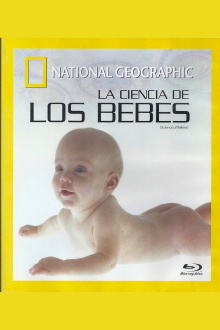
In The Science of Babies, Nat Geo explores the amazing biomechanical benchmarks achieved in the first 12 months of human life. Using CGI, fMRI and other tools, viewers can watch as a baby's lungs draw breath for the first time, and can witness the heart grow exponentially in order to power this incredible developing creature. Perhaps even more fascinating is the manner in which the neurosynapses develop, creating the essence of what will become a new personality and intellect. This film explores the amazing mechanics behind the initial milestones in a human infant's life, and even compares them to babies of other species.
Medical doctors and mental health professionals go on camera, on the record, for the record, for a discussion, analysis, and science-based examination of the behavior, psyche, condition, and stability of President Donald Trump.
This documentary attempts to understand why so many comedians experience mental health issues, a condition that stands in stark contrast to their profession.
The biggest tech revolution of the 21st century isn’t digital, it’s biological. A breakthrough called CRISPR gives us unprecedented control over the basic building blocks of life.
Edeltraut Hertel - a midwife caught between two worlds. She has been working as a midwife in a small village near Chemnitz for almost 20 years, supporting expectant mothers before, during and after the birth of their offspring.
What strange forces saved one isolated section along the Upper Mississippi River from the repeated crushing and scouring effects of glaciers during the last two million years? And what pre-Ice Age throwbacks survived here in this unique geologic refuge that holds more Native American effigy mounds, petroglyph caves, strange geological features, and rare species than anywhere in the Midwest? These questions and more are answered in this captivating new documentary.
From the unique vantage point of 200 miles above Earth's surface, we see how natural forces - volcanoes, earthquakes and hurricanes - affect our world, and how a powerful new force - humankind - has begun to alter the face of the planet.
A true story of a courageous boy who becomes a legend. Living a dream that wouldn't die; his passion empowered him to historically change the course of baseball.
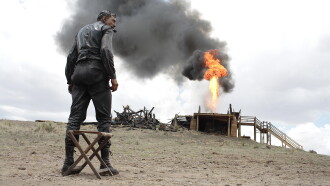
Ruthless silver miner, turned oil prospector, Daniel Plainview, moves to oil-rich California. Using his son to project a trustworthy, family-man image, Plainview cons local landowners into selling him their valuable properties for a pittance.
Danny Ocean's team of criminals are back and composing a plan more personal than ever. When ruthless casino owner Willy Bank doublecrosses Reuben Tishkoff, causing a heart attack, Danny Ocean vows that he and his team will do anything to bring down Willy Bank along with everything he's got.
By uncovering a world thought only to exist in his imagination, Ethan brings the love of his life back from the dead in order to clear her name and expose the truth behind her apparent suicide.
Experience the revolutionary multi-platinum artists STRYPER live in Puerto Rico on March 6, 2004. This DVD features all of their greatest hits and more.
In a countryside town bordering on a magical land, a young man makes a promise to his beloved that he'll retrieve a fallen star by venturing into the magical realm.
After Homer accidentally pollutes the town's water supply, Springfield is encased in a gigantic dome by the EPA and the Simpsons are declared fugitives.
Comments
Have you watched Science of Babies yet? What did you think about it?